3 hr 30 min
Authentic Milonga Night with Tango Lesson and Hotel Transfers
- Entry ticket
- Mobile voucher
- Valid same day
- Free cancellation
Milonga Buenos Aires — Authentic Tango Social Dance
Step into the embrace, feel the codigos unfold.
Compare fares, pick the fit — all bookings are mobile-voucher and eligible for free cancellation where shown.
3 hr 30 min
4 hr
3 hr
| Experience | Duration | Rating | Transfers | Pickup | Guide | Free cancel. | Price | |
|---|---|---|---|---|---|---|---|---|
|
Standard Entry
Most popular
Authentic Milonga Night with Tango Lesson and Hotel Transfers
|
3 hr 30 min | ★ 4.8 | ✓ | ✓ | ✓ | ✓ | €85 | Book → |
|
Luxury / Private
Private Tango Milonga with Lesson & Transfers
|
4 hr | ★ 4.5 | ✓ | ✓ | ✓ | ✓ | €122 | Book → |
|
Standard Entry
Authentic Tango Milonga Night in Buenos Aires
|
3 hr | ★ 5.0 | — | — | ✓ | ✓ | €80 | Book → |
Traditional halls provide a foundational experience, whereas alternative venues offer a more relaxed atmosphere for those interested in milonga buenos aires tours. Visitors often find that mixing both styles provides the most comprehensive insight into the local tango culture.
|
Top pick Traditional Milonga |
Milongas Alternativas | |
|---|---|---|
| Dress code | Formal or elegant attire | Casual and informal |
| Music style (traditional vs. electronic) | Golden Age orchestras | Alternative, neo-tango, or fusion |
| Social etiquette (codigos) | Strict adherence to invitations | Relaxed and flexible |
| Dance focus | Close embrace and precision | Open embrace and experimentation |
| Average age of attendees | 45 to 75 years | 20 to 45 years |
| See tickets & prices |
Verdict: Choose traditional venues for the authentic codigos often highlighted in a milonga buenos aires tour, or select alternative spaces if you prefer diverse music and flexible milonga buenos aires tickets options.
Hand-picked experiences loved by thousands of travelers
4 hours
Free Cancellation
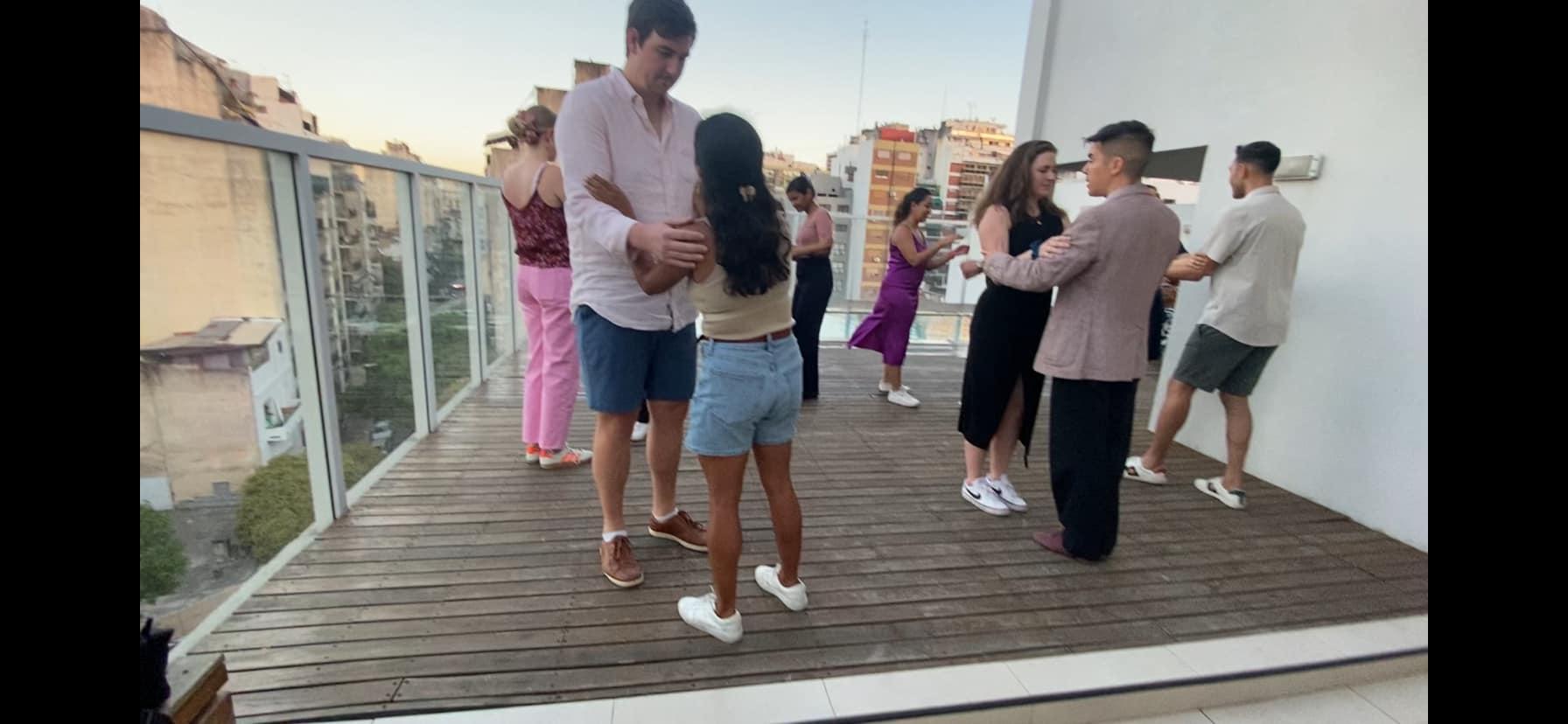
Master Argentine tango fundamentals with expert instructors, then dance the night away at a genuine Buenos Aires milonga
2 hours
Free Cancellation
Join locals at a genuine tango social club with live music, expert performances, and cultural insights
3 hours
Free Cancellation
Walk the streets where tango was born and explore the neighborhood that shaped Argentina's soul.
1.5 hours
Free Cancellation
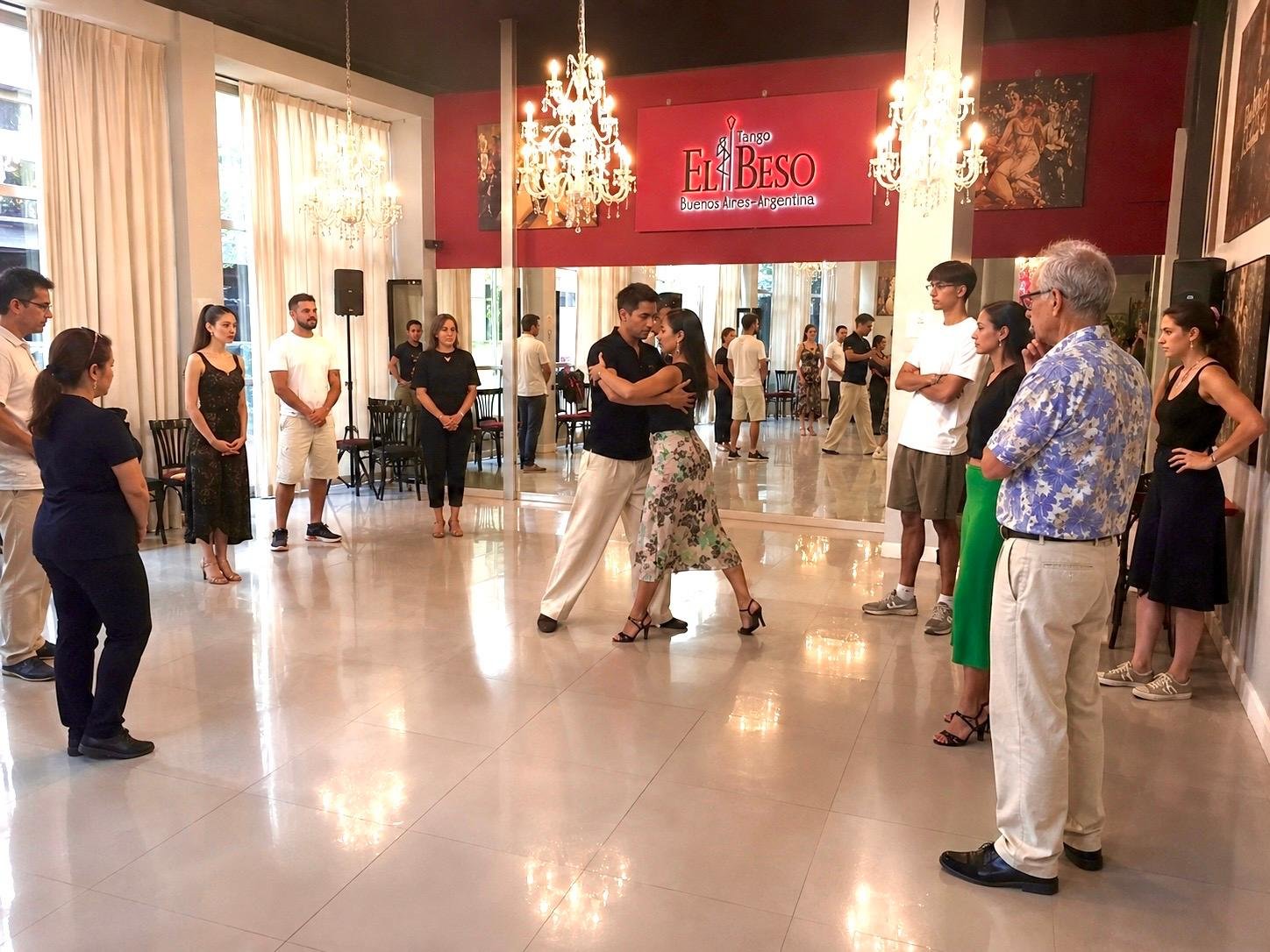
Master foundational tango techniques in a small-group studio session with Argentine wine and insider club tips.
1 hour 30 minutes
Free Cancellation
Master your first tango steps at an authentic Buenos Aires salon with mate and social dancing time
4 hours
Free Cancellation
Master the fundamentals in a one-on-one class, then dance with locals at two authentic milongas
3 hours
Free Cancellation
Witness Argentina's passionate dance tradition brought to life by 30+ performers in a stunning riverside venue
Arrive and locate a table to observe the dance floor layout.
Watch the cabeceo to understand how dancers invite one another.
Join the dance floor during a tanda if comfortable with the etiquette.
A historic venue famous for its traditional wooden floor and authentic atmosphere. The hall hosts legendary dancers nightly.
Located in the heart of Palermo, this spot is known for its social vibe and inclusive dance lessons. It remains a popular hub for students and locals.
This intimate space is highly regarded for its traditional tango customs and strict dance floor etiquette. It provides a classic experience for serious dancers.
A stunning example of belle époque architecture, this venue offers a grand setting for tango. It recently underwent extensive restoration to preserve its historic beauty.
Known for its artistic energy, this venue offers a distinct perspective on modern tango culture. It is frequently visited by those seeking a unique evening.
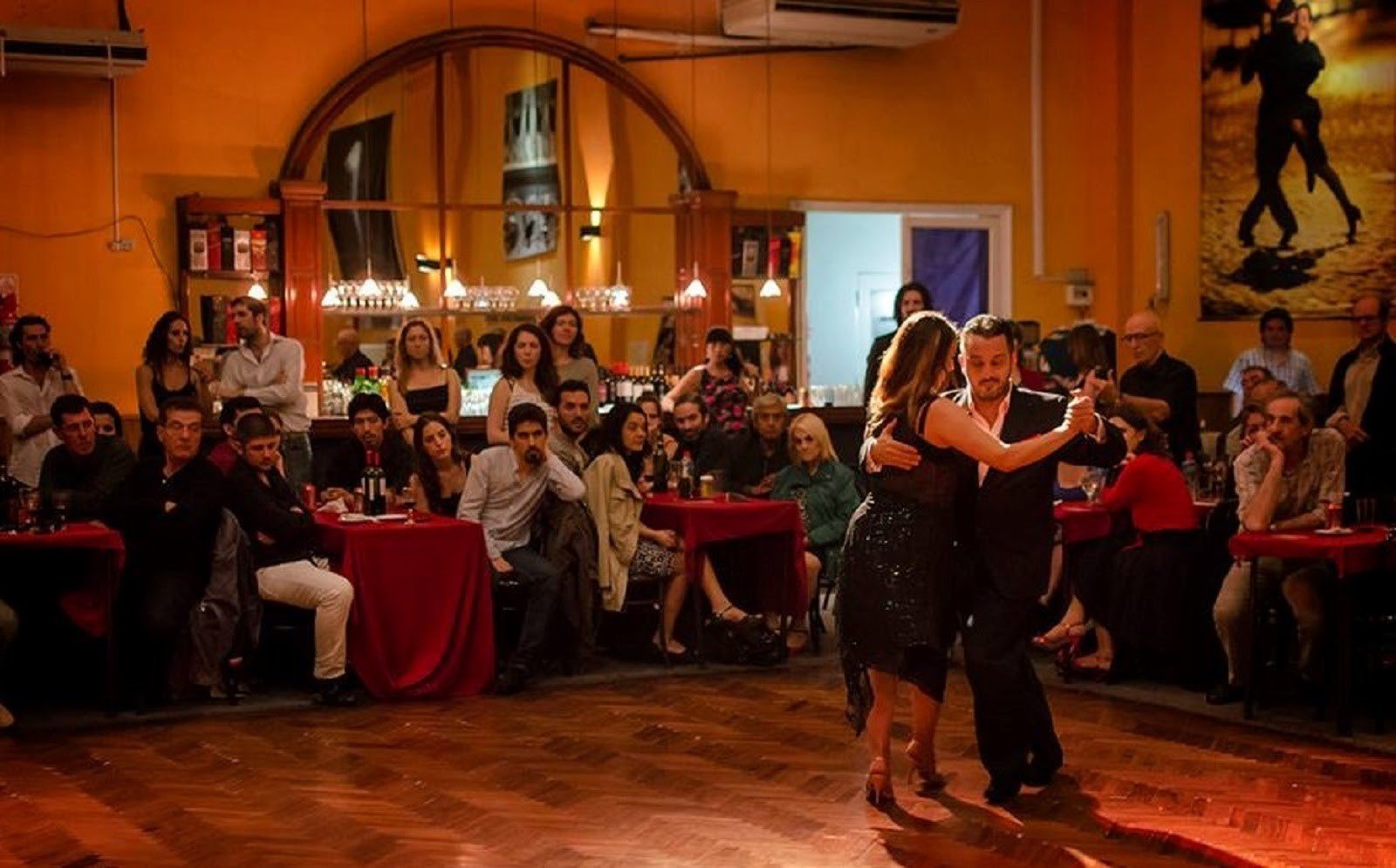
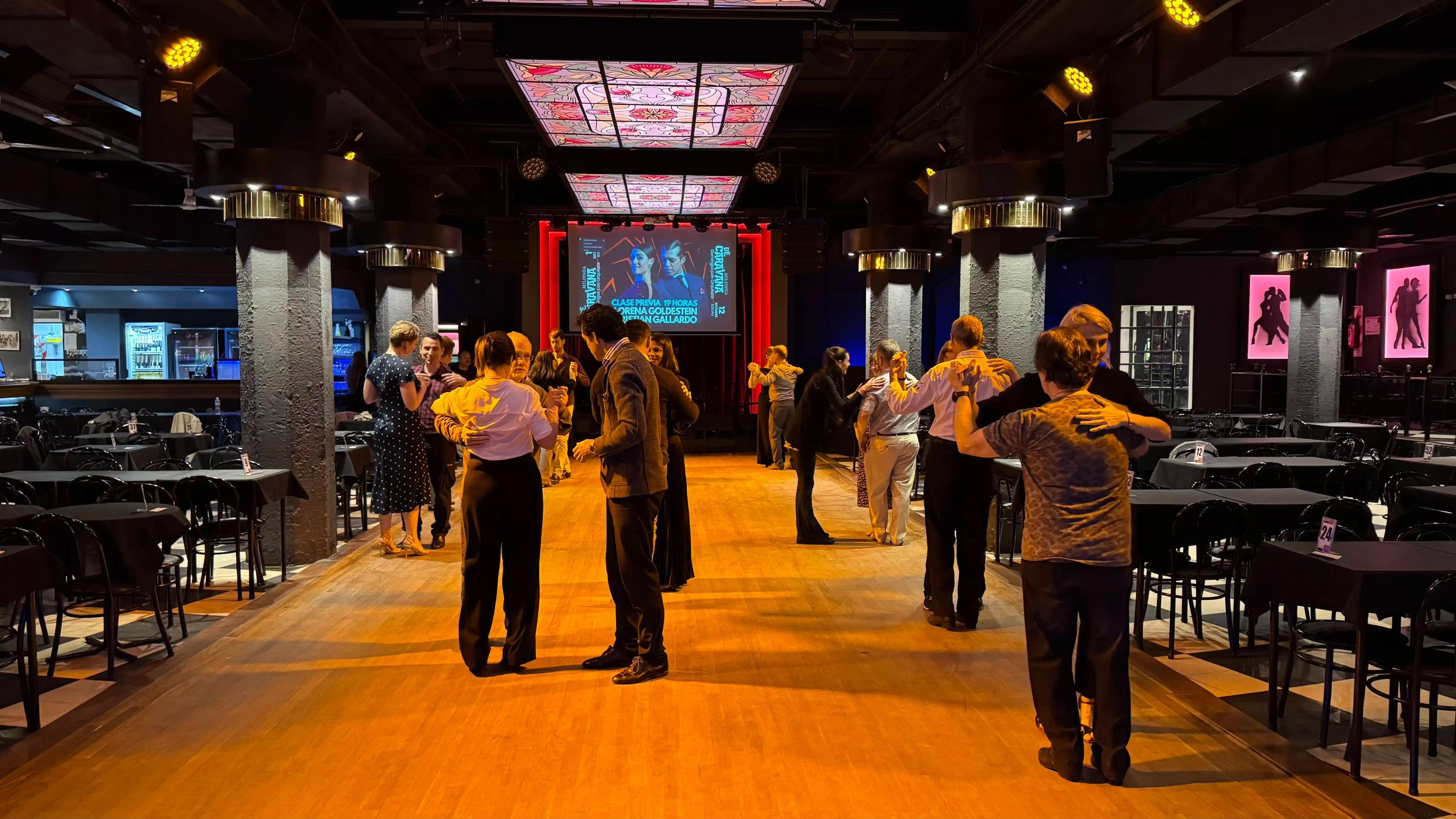
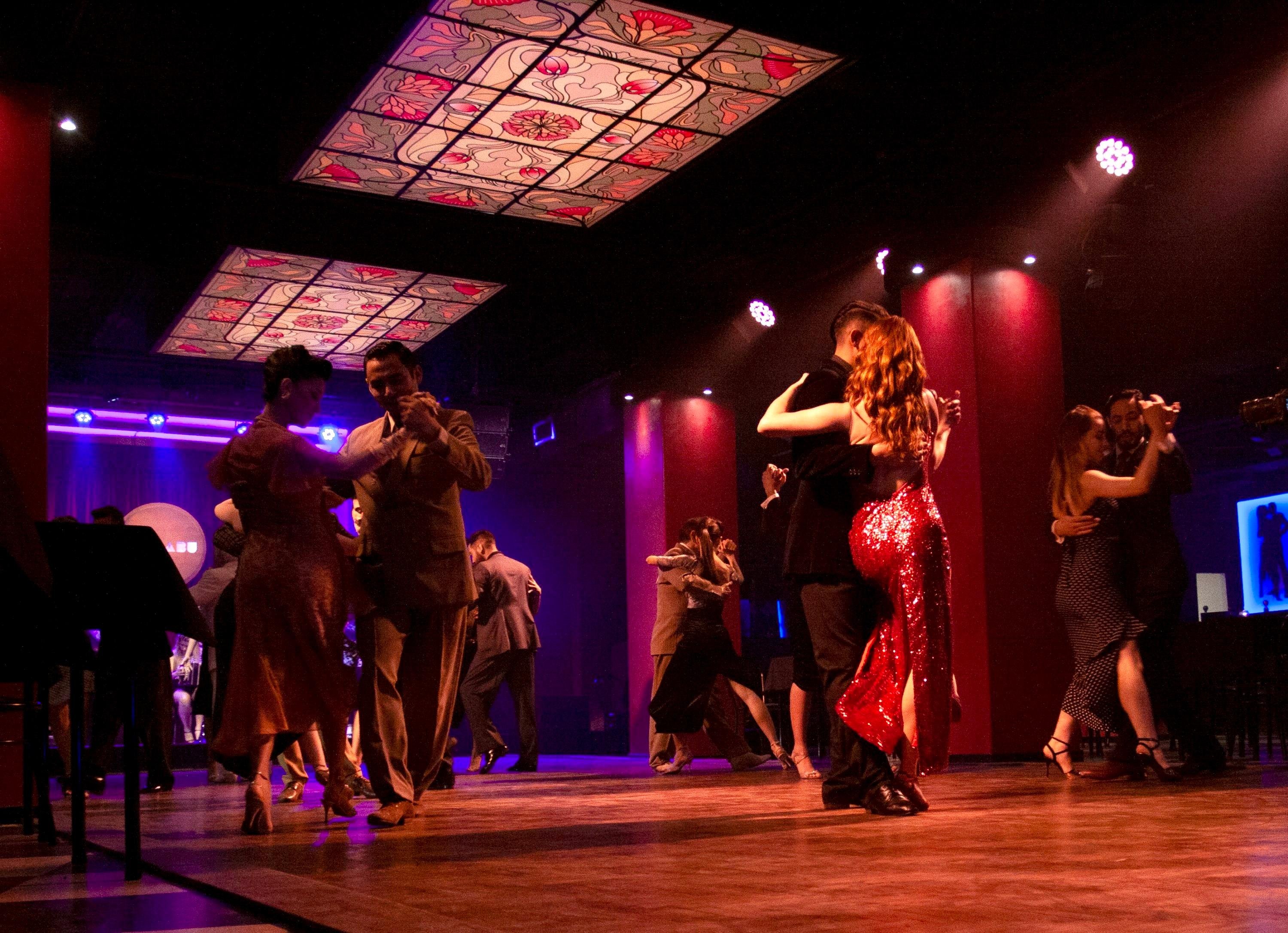
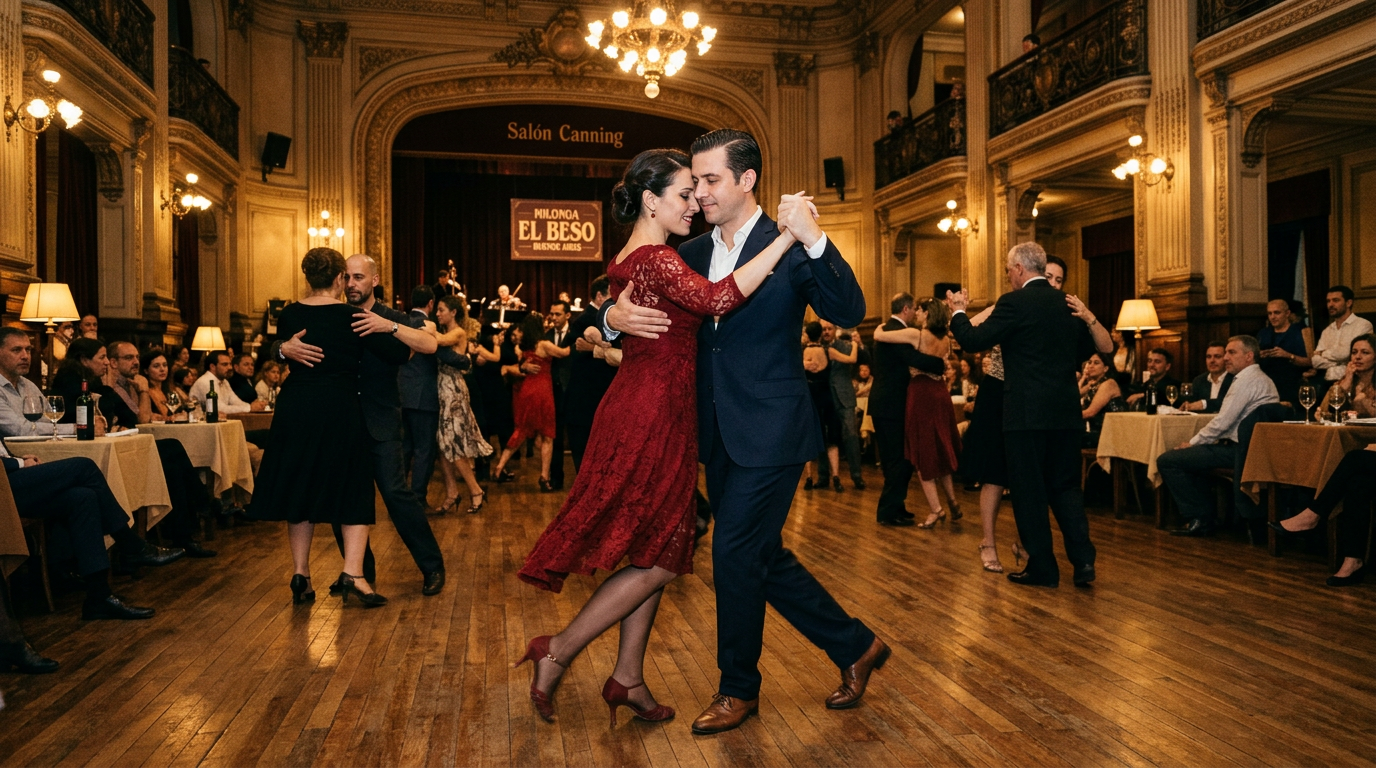
You arrive at Salon Canning just after 22:00, when the entrada desk is busy and the wooden floor already holds a dozen couples. You pay the small cover — sometimes a suggested donation, tonight 3,000 pesos — and find a table along the edge. The lights are low. A tanda of D'Arienzo plays, fast and staccato.
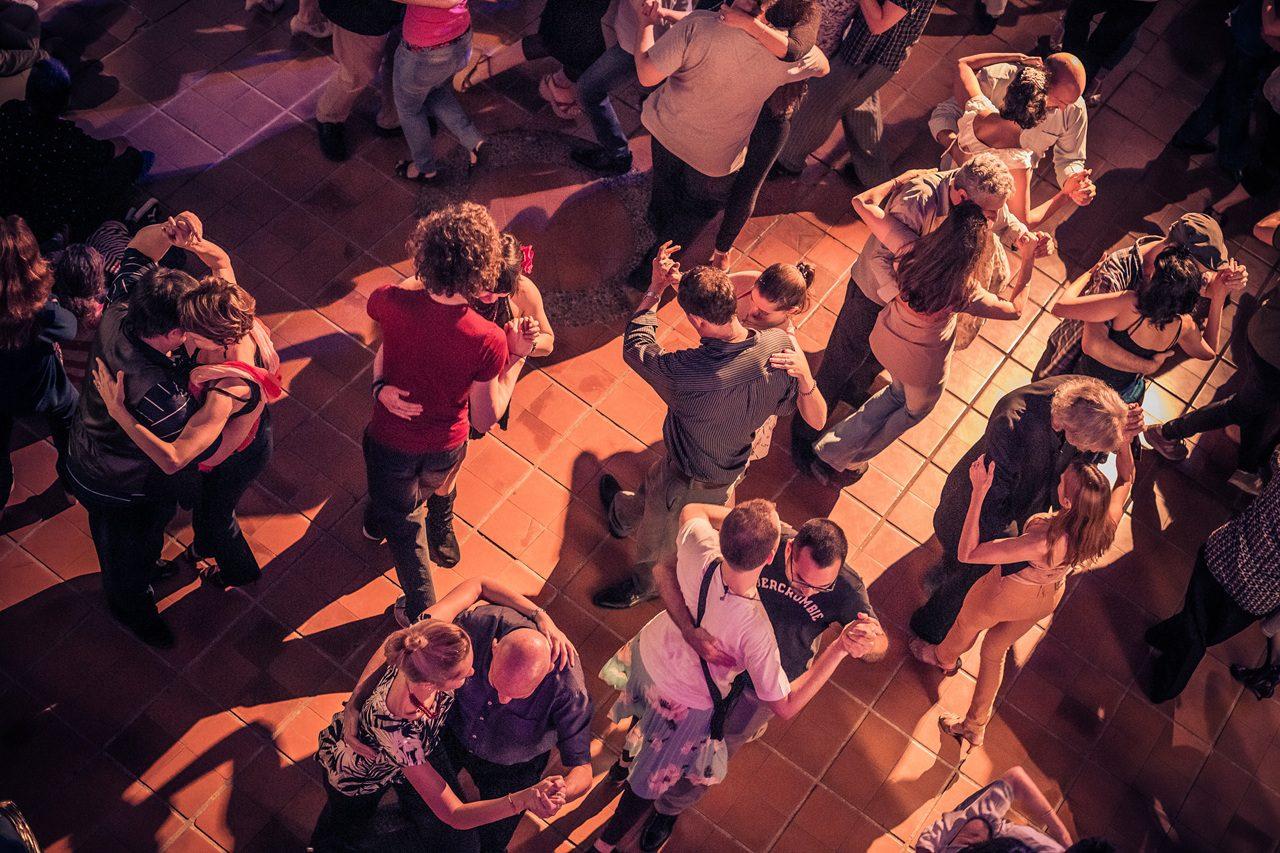
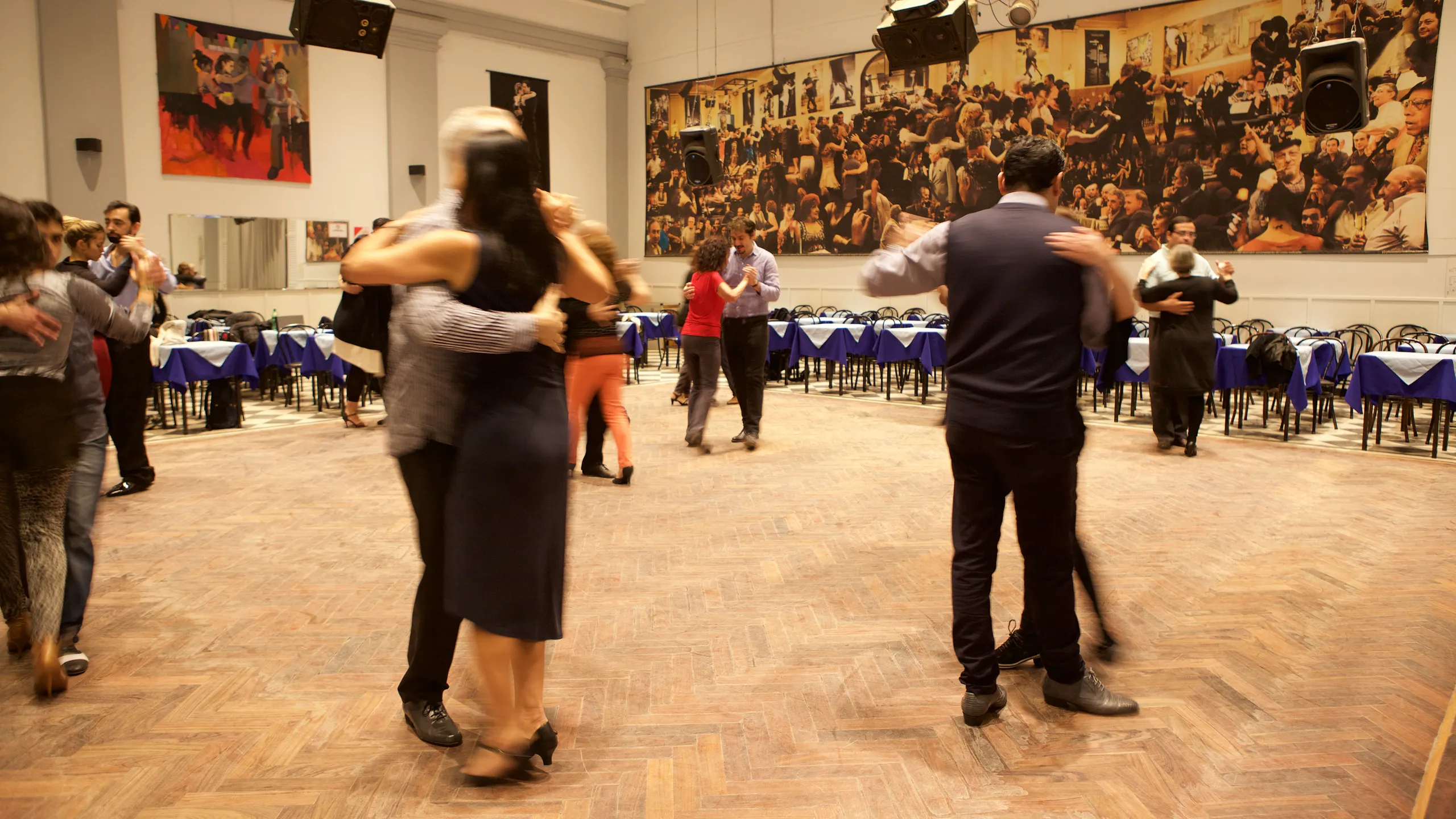
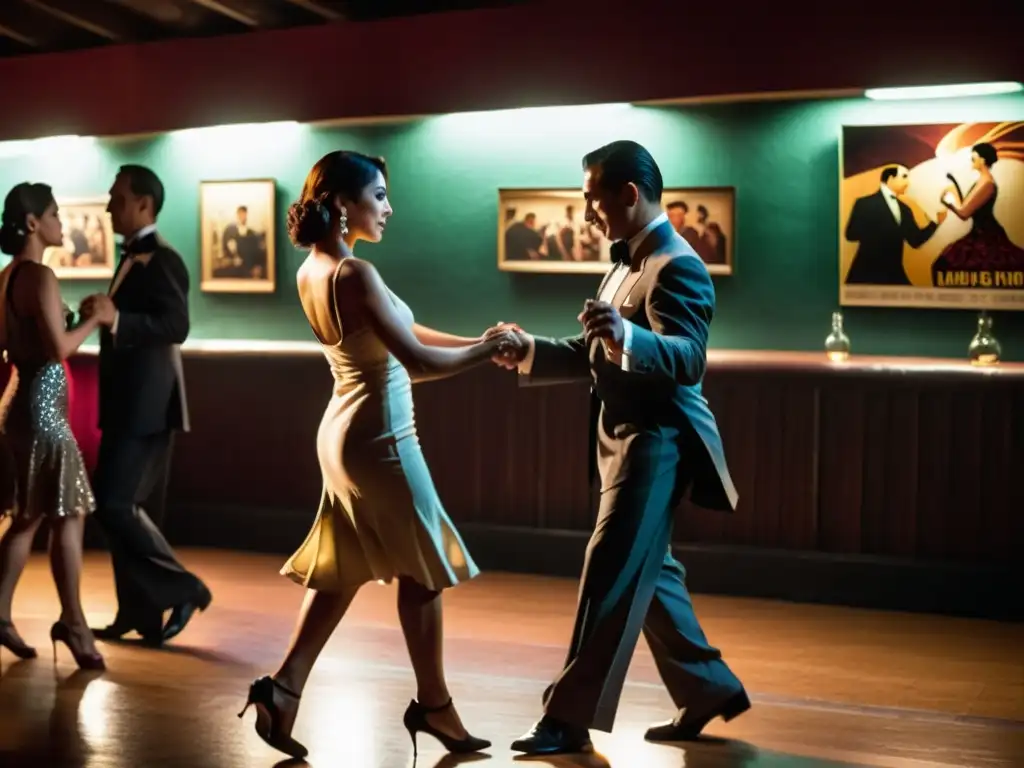
You watch the ronda, the counterclockwise flow, and start to read the room. Who nods to whom. Who waits. Who declines with a subtle shake of the head.
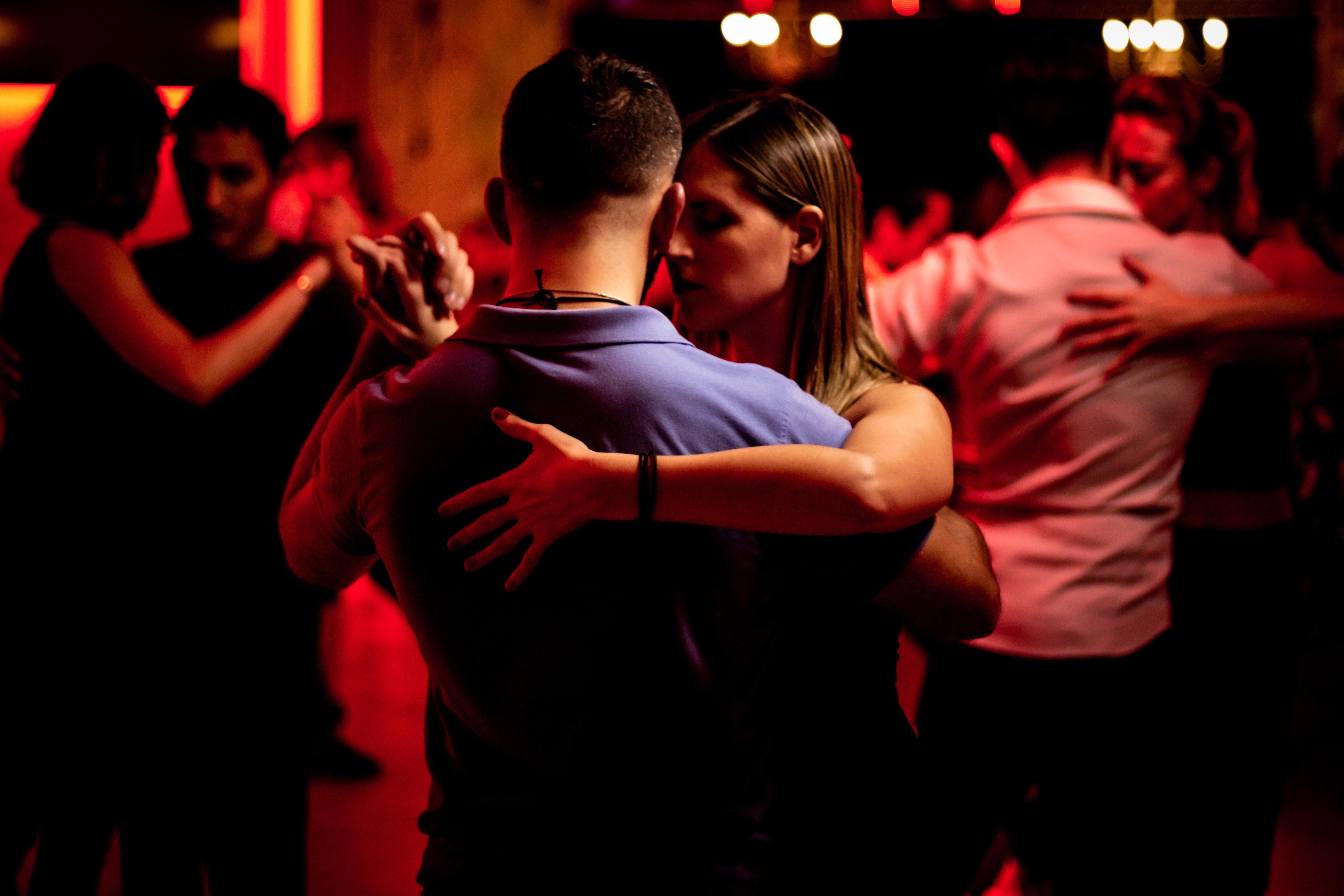
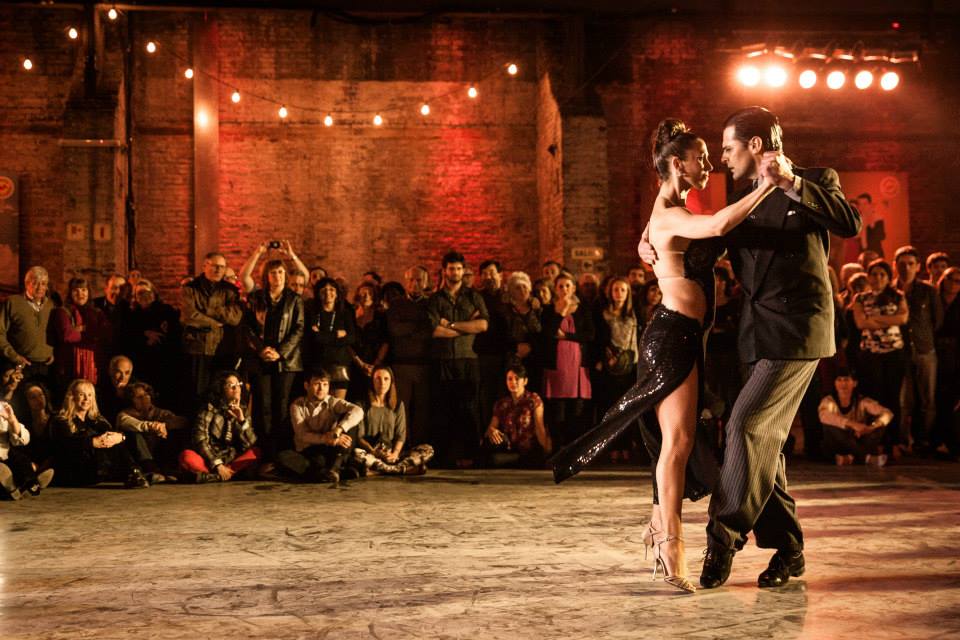
By 23:30, the floor is crowded. You make eye contact with a dancer across the room. A slight nod. She nods back. You meet her at the edge of the ronda and begin the first song without speaking. The embrace is close, her hand on your shoulder blade, your hand at the small of her back. Three songs pass. The cortina plays — a non-tango interlude signaling the end of the tanda. You thank her with a quiet nod and return to your table.
The night continues in this rhythm. Tanda, cortina, tanda. You dance with a regular who knows every shift in the music. You sit out a vals set. Around 01:00, the DJ plays a Pugliese tanda, slower and more melancholic, and the room shifts. You stay until past 02:00, when the crowd finally thins and your legs remind you that a milonga is not passive. You leave through the same door you entered, the street outside quiet, the ritual complete.
All the details about your upcoming adventure in one place
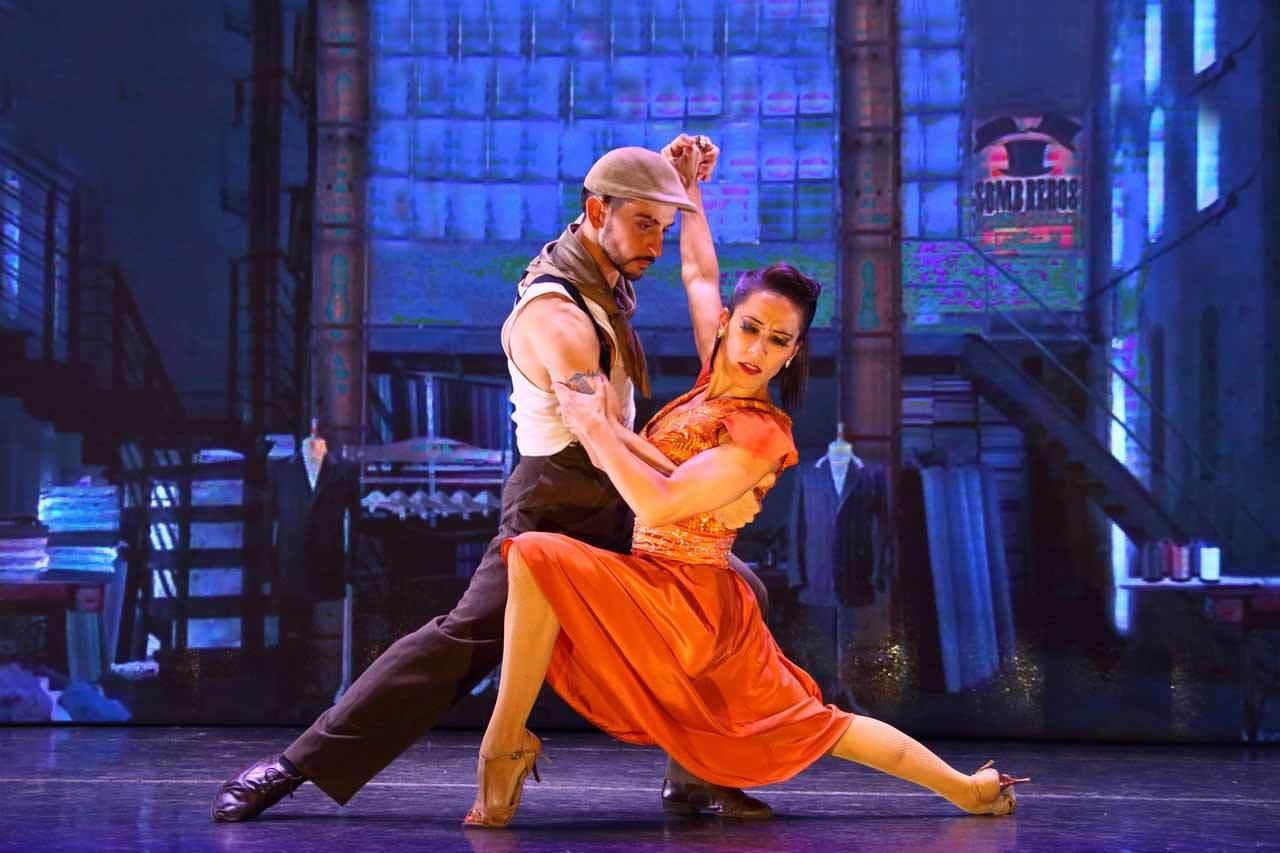
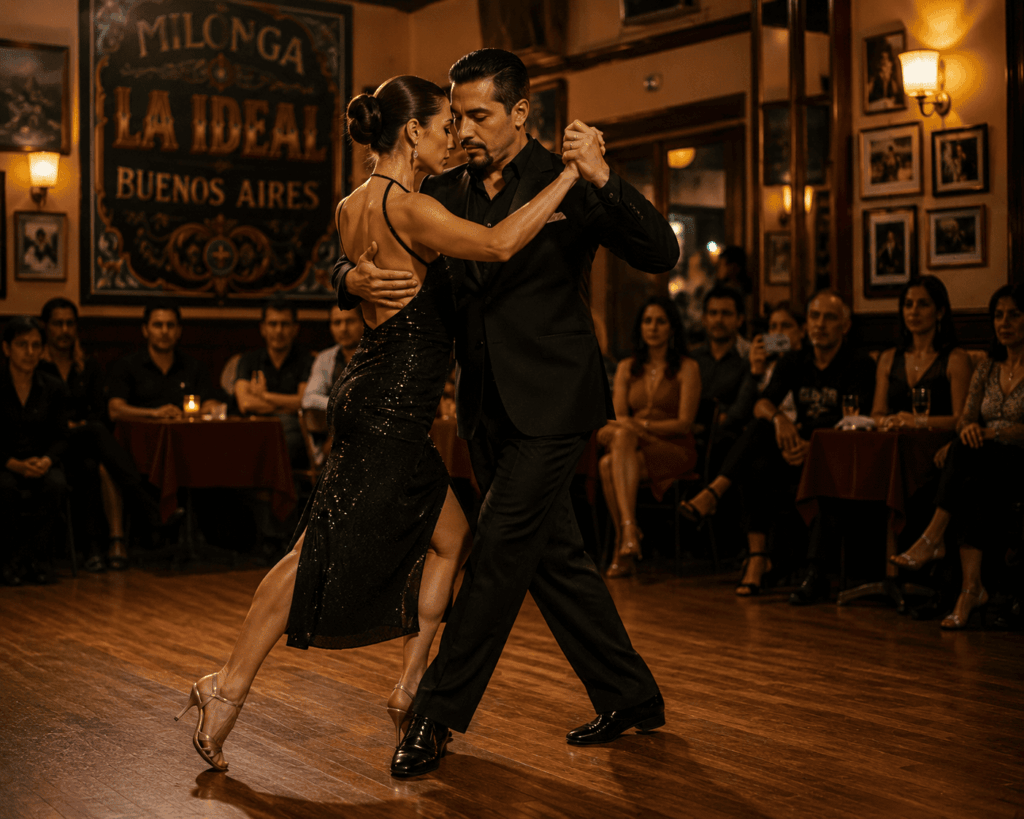
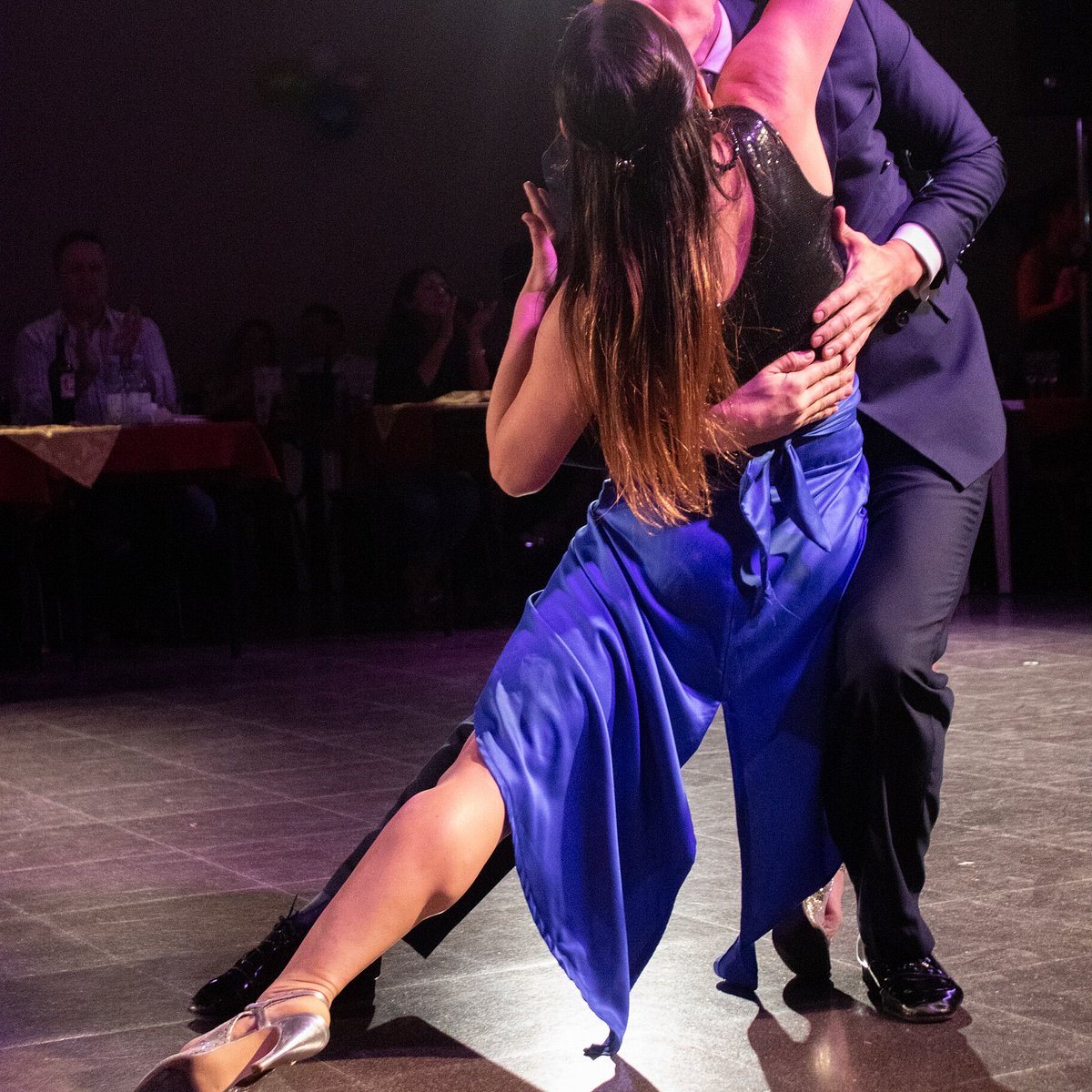
A milonga buenos aires is a social tango gathering where dancers of all levels come together on the dance floor, guided by códigos—unwritten etiquette that shapes the evening's flow. Milonga buenos aires tours introduce visitors to the ronda (circular floor pattern), cabeceo (the subtle nod invitation), and traditional tanda structure, while milonga buenos aires tickets grant access to historic salons where porteños have danced for generations. The atmosphere blends live orquesta típica music, dim lighting, and the rhythmic embrace of Argentine tango.
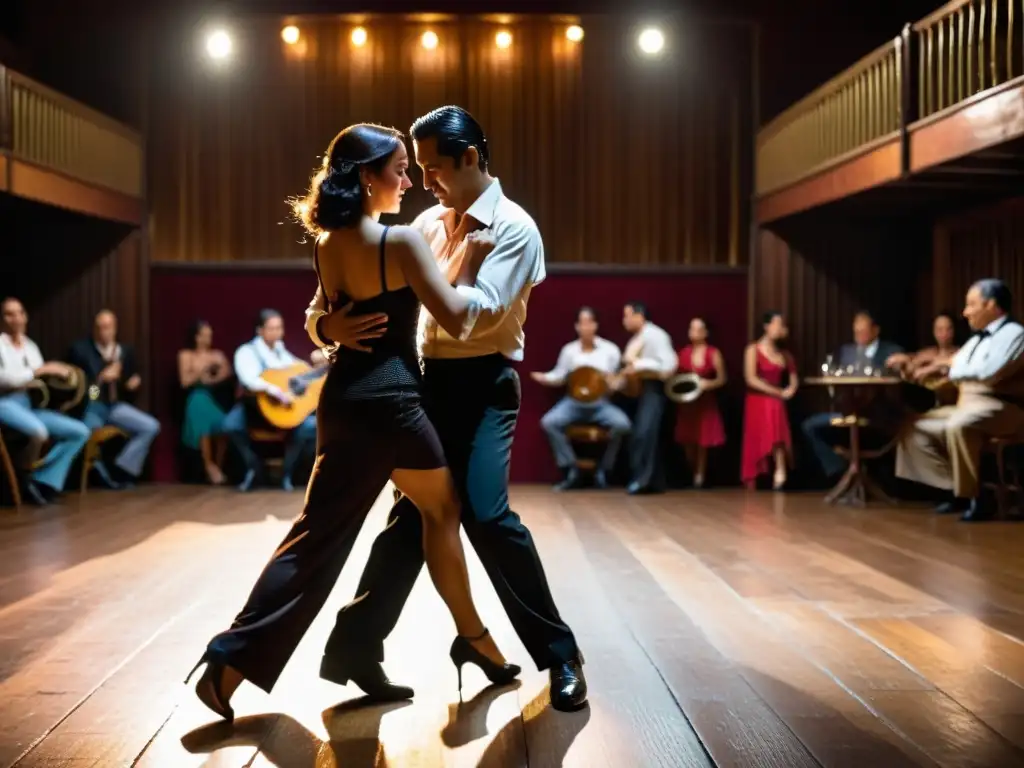
The milonga — Buenos Aires's social tango gathering — operates under codes of conduct older than most concert halls. Dancers navigate the floor in a counterclockwise ronda, guided by the cabeceo: a subtle nod exchanged across the room to invite a partner. No words. No apps.
Just a glance that carries a century of tradition. The ritual survives because it works. At Salon Canning in Palermo, La Viruta in Abasto, and La Catedral in Almagro, the codigos — the unwritten rules — govern every interaction. Beginners watch from the edges. Experienced dancers claim the center. The DJ, or tandero, controls the emotional arc of the night through tandas: sets of three or four songs in a single style, punctuated by cortinas, musical breaks that signal the end of a tanda and the chance to thank your partner and return to your table.
Milonga Buenos Aires tango culture resists commodification. Most neighborhood milongas operate via voluntary donations or modest door fees, rarely exceeding a few hundred pesos. The space matters less than the floor and the sound system. La Viruta occupies a former Armenian cultural center. La Catedral inhabits a converted warehouse with exposed brick and string lights. Salon Canning, the most formal of the three, hosts multiple weekly milongas under its high ceilings and mirrored walls. Each venue cultivates its own atmosphere. Some favor traditional orquestas típicas — Di Sarli, D'Arienzo, Pugliese. Others mix in vals and milonga rhythms. A few experimental nights include neotango or electrotango, though purists avoid them.
The milonga calendar shifts weekly. Hoy Milonga, the de facto event aggregator, lists dozens of gatherings across the city each night. Domingo milongas — Sunday afternoon sessions — draw families and older dancers. Weeknight events in San Telmo or Palermo tend younger and more casual. Friday and Saturday nights stretch past 04:00, peaking between 23:00 and 02:00 when the floor is dense and the energy collective. Tourists often arrive too early, before the locals. The room at 20:00 feels empty. By midnight, every table is claimed. The ronda tightens. The cabeceo becomes more selective. This is when the milonga becomes what it has always been: not a performance, not a lesson, but a shared agreement to move together in the dark.
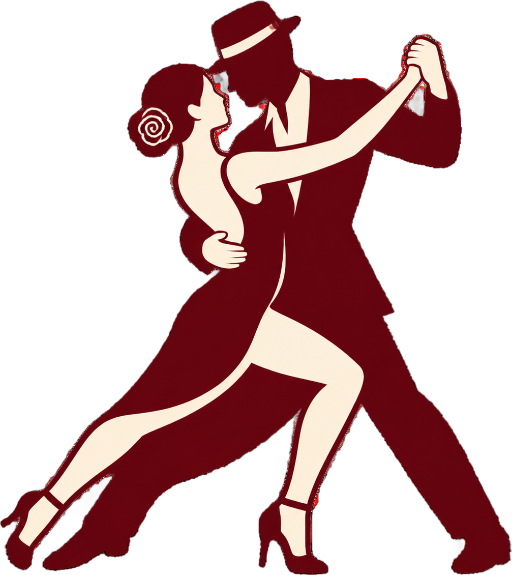
The cabeceo — a glance across the room — carries a century of tradition.
Most attendees dress in smart-casual or elegant attire appropriate for a night out. Comfortable shoes suitable for dancing are recommended for those participating in a milonga buenos aires experience.
Venues generally provide coat checks or designated areas for personal items. Keep valuables secure and within sight at all times while attending a milonga buenos aires event.
Always ask permission before photographing dancers or other guests. Flash photography is discouraged to respect the atmosphere and concentration of those in a milonga buenos aires.
Milongas are adult-oriented nightlife environments focused on social dancing. Younger children are generally not accommodated in these evening social spaces.
Many historic venues in Buenos Aires have limited accessibility features such as stairs. Check the specific venue website for structural details before planning your milonga buenos aires visit.
Most venues operate a bar serving drinks and light snacks throughout the night. External food and drinks are not permitted inside a milonga buenos aires venue.
Opening Hours
19:00–02:00 (Sun–Thu), 19:00–04:00 (Fri–Sat)
Address
Various locations across Buenos Aires
Accessibility
Varies by individual venue infrastructure
Best arrival window
21:00–23:00
Official Site
https://hoy-milonga.com
Public transport · Varies · Low cost
Use the Subte or bus lines to reach major dance hubs like Palermo or San Telmo. Most venues are within walking distance of primary stations.
Taxi · 15-30 min · Moderate cost
Radio taxis and ride-sharing apps provide door-to-door service to your chosen dance venue. Confirm the address clearly before departure.
As milonga buenos aires entrance fees are often paid at the door, policies vary by venue. Typically, cash payments of 0 ARS at the door are non-refundable once entry is granted.
Recommended time
3-4 hours
Experiencing a milonga buenos aires involves immersing yourself in the late-night social rhythm where the dance floor gradually fills with enthusiasts. We suggest allocating at least three hours to observe the cabeceo, participate in the ronda, and enjoy the music, as the atmosphere shifts significantly after midnight. While those seeking milonga buenos aires tours might prefer arriving early to secure seating, the energy typically peaks during the late-night hours. Please note that milonga buenos aires tickets are often managed at the door, so planning your arrival between 21:00–23:00 is essential to ensure you catch the most vibrant portion of the evening.
Crowd levels through the day
Weather · crowds · average price — dots go green to amber to red as each metric rises.
September to November offers mild temperatures ideal for walking between venues. Evening crowds are consistent throughout these months.
December to February brings warmer nights, perfect for late-night social dancing. Note that some venues may reduce operations during peak summer holidays.
March to May features pleasant weather and active dance calendars. This is often considered the peak season for tango events.
June to August sees cooler temperatures, driving more patrons to indoor venues. Expect cozy atmospheres in historic dance halls.
Watch how dancers communicate across the room using eye contact. This subtle gesture is essential for initiating a dance in a milonga buenos aires.
Wear smooth-soled shoes to allow for easy pivoting on the dance floor. Avoid overly restrictive clothing that hinders movement.
Plan to arrive between 21:00–23:00 to see the venue at its most active. Arriving too early may mean finding an empty dance floor.
Dances occur in sets of three or four songs called tandas. Dancers typically remain with the same partner for the duration of one tanda.
Use official online listings to verify if a venue is hosting a specific event. Some locations rotate their programming throughout the week.
Av. Raúl Scalabrini Ortiz 1331
Famous venue for authentic tango experiences
Get directions
The milonga buenos aires emerged in the final decades of the nineteenth century within the conventillos of La Boca and San Telmo, where European immigrants and native porteños gathered in cramped tenement courtyards. These early social gatherings fused African candombe rhythms with Andalusian melodic lines, creating a hybrid musical form that accompanied improvised partner dancing. By 1900, the milonga—both the music and the event—had become the working-class counterpoint to the elite salon, operating in basement cafés and mutual-aid societies where entrance required only a shared dialect and a willingness to dance until dawn. The 1920s brought the milonga into conflict with municipal authorities who viewed the gatherings as morally suspect and politically volatile. Police raids scattered dancers from Constitución to Palermo, yet the tradition persisted in union halls and immigrant clubs that operated under the cover of cultural associations. Juan Carlos Copes, born in 1931, recalled attending clandestine milongas in Barracas where tango orchestras played behind shuttered windows and lookouts signaled the approach of patrol cars. This era of suppression paradoxically strengthened the milonga's role as a site of cultural resistance, embedding codes of conduct—the cabeceo, the ronda, the cortina—that survive today as ritual rather than regulation. The military dictatorship of 1976–1983 drove the milonga underground once more, closing public dance halls and forcing the tradition into private homes. The return of democracy in 1983 triggered a milonga renaissance, with Salon Canning reopening in 1984 and La Viruta establishing itself as a pilgrimage site for international dancers by the mid-1990s. Today's milonga buenos aires operates as both living archive and evolving practice, drawing dancers from Seoul to Stockholm while neighborhood venues in Boedo and Almagro maintain the working-class ethos of the original conventillo gatherings. The best milonga buenos aires tours now trace this arc from tenement to global phenomenon, though the calendar at hoy-milonga.com reveals that the tradition's center of gravity remains firmly rooted in Buenos Aires itself.
The milonga emerged in San Telmo and La Boca conventillos, blending African candombe with European immigrant musical traditions.
Municipal authorities raided working-class milongas, forcing gatherings into union halls and cultural associations under police scrutiny.
Juan Carlos Copes was born; he would later document the clandestine milonga culture of mid-century Buenos Aires.
Military dictatorship closed public dance halls, driving the milonga into private homes and suspending its public life.
Salon Canning reopened following the return of democracy, marking the beginning of the milonga's institutional revival.
La Viruta became an international hub, attracting dancers globally while neighborhood venues preserved local traditions.
Digital platforms like hoy-milonga.com cataloged the expanding milonga circuit, documenting hundreds of weekly gatherings across Buenos Aires.
Finding a meal near a milonga buenos aires is part of the rhythm of the night, as many dancers head to local spots to refuel with late-night pizza or empanadas. While many venues offer drinks or light snacks, the surrounding streets are full of cafes and bistros that stay open to accommodate the vibrant community participating in milonga buenos aires tours.
Located near classic dance halls, this spot serves traditional Argentine dishes that are perfect for a sit-down meal before your milonga buenos aires tour. It is known for its high-quality ingredients and classic atmosphere.
This iconic institution is a staple for those seeking a post-dance slice, making it a popular stop after securing milonga buenos aires tickets. Expect a busy, energetic environment late into the night.
Offering an elegant setting, this cafe provides a refined experience for those who prefer to dine near the dance floor. It is a suitable choice for a relaxed evening before the music starts.
Real experiences from real travelers
The energy at this milonga buenos aires venue is electric every weekend. Dancers of all skill levels share the floor with respect and passion. The live orchestra plays classic tangos while maintaining perfect tempo for navigation. Arrived around 11pm and stayed until 3am without noticing time pass.
Attended my first milonga in Buenos Aires here and felt welcomed immediately. The hosts explained the cabeceo tradition and cortina system during breaks. Several experienced dancers invited me for tandas and offered gentle guidance. The wooden floor has excellent grip and the sound system carries the bandoneon clearly to every corner.
This venue maintains authentic milonga etiquette without being intimidating. Watch from the side tables first to understand the flow before entering the ronda. The DJ mixes traditional orchestras from the golden age with occasional modern interpretations. Refreshments available at reasonable prices between tandas.
The milonga buenos aires tours brought our group here and we discovered a genuine local scene. Mix of neighborhood regulars and visiting dancers creates interesting partnerships. Space gets crowded after midnight so navigation requires attention. Would recommend taking a private lesson earlier in the day to prepare.
The tanda selections here show deep understanding of tango tradition. Each set tells a story through carefully chosen recordings from D'Arienzo, Pugliese, and Troilo. Floor craft is generally excellent with smooth counterclockwise movement. The cortinas give just enough time to return to tables and prepare for the next set.
Found this milonga through a local dance studio recommendation and returned four times during my week in the city. Regulars remembered my name by the second visit and shared tips about other venues. The wooden floor is maintained beautifully and the climate control keeps temperature comfortable despite the crowd.
Walking into this space feels like stepping into tango history. The dim lighting and vintage decor create the perfect atmosphere for close embrace dancing. Live music nights feature some of the city's finest musicians who understand how to play for social dancing rather than performance.
Purchased entry at the door without issues on a Saturday night. The admission includes one drink and access to secure coat check. Dancing continues past 4am on weekends with energy remaining high throughout. The space fills gradually so arriving between 11pm and midnight offers good table selection.
This milonga maintains high standards for floor etiquette and musical selection. The ronda moves smoothly when experienced dancers set the pace. Occasional practica sessions earlier in the evening allow for practicing new patterns before the formal milonga begins at 11pm.
Regular visits here over two months showed consistent quality in every aspect. The organizers curate both the music and the atmosphere with care. Followers and leaders both find willing partners throughout the night, and the cabeceo system prevents awkward rejections on the floor itself.
Everything you need to know for your journey
Most venues are open from 19:00–02:00 Sunday through Thursday, and until 04:00 on Friday and Saturday.
The best arrival window is 21:00–23:00 when attendance is highest.
Entrance fees vary by venue, though many neighborhood spots operate via donations or door fees of 0 ARS.
Always ask permission before taking photos, and avoid using flash to respect the dancers.
While not strictly enforced, smart-casual attire is encouraged to match the elegant atmosphere.
No, external food and drinks are not permitted inside the venues.
These are adult-oriented nightlife spaces, and they are generally not suitable for children.
You can reach venues easily via public transport or taxi throughout the city.
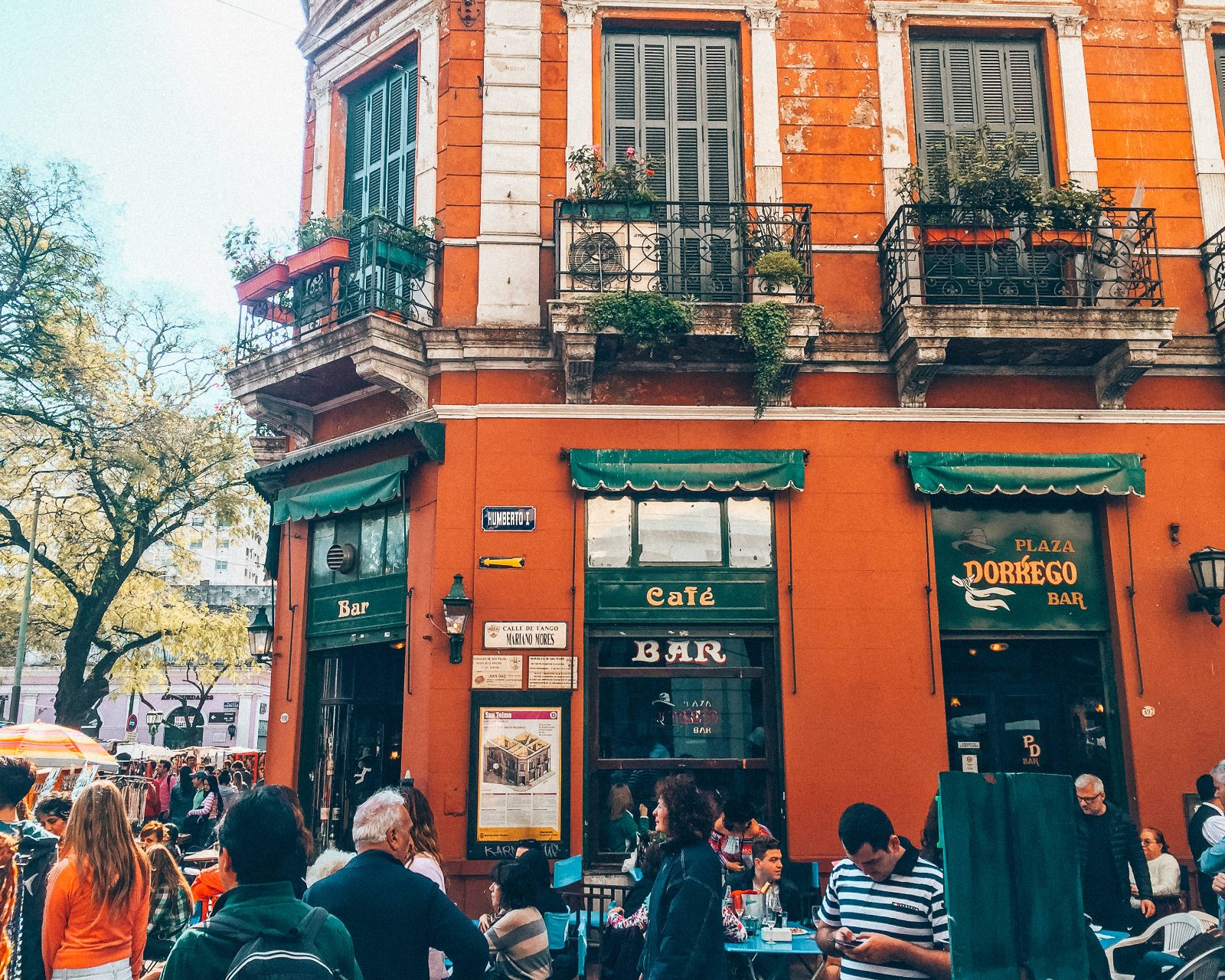
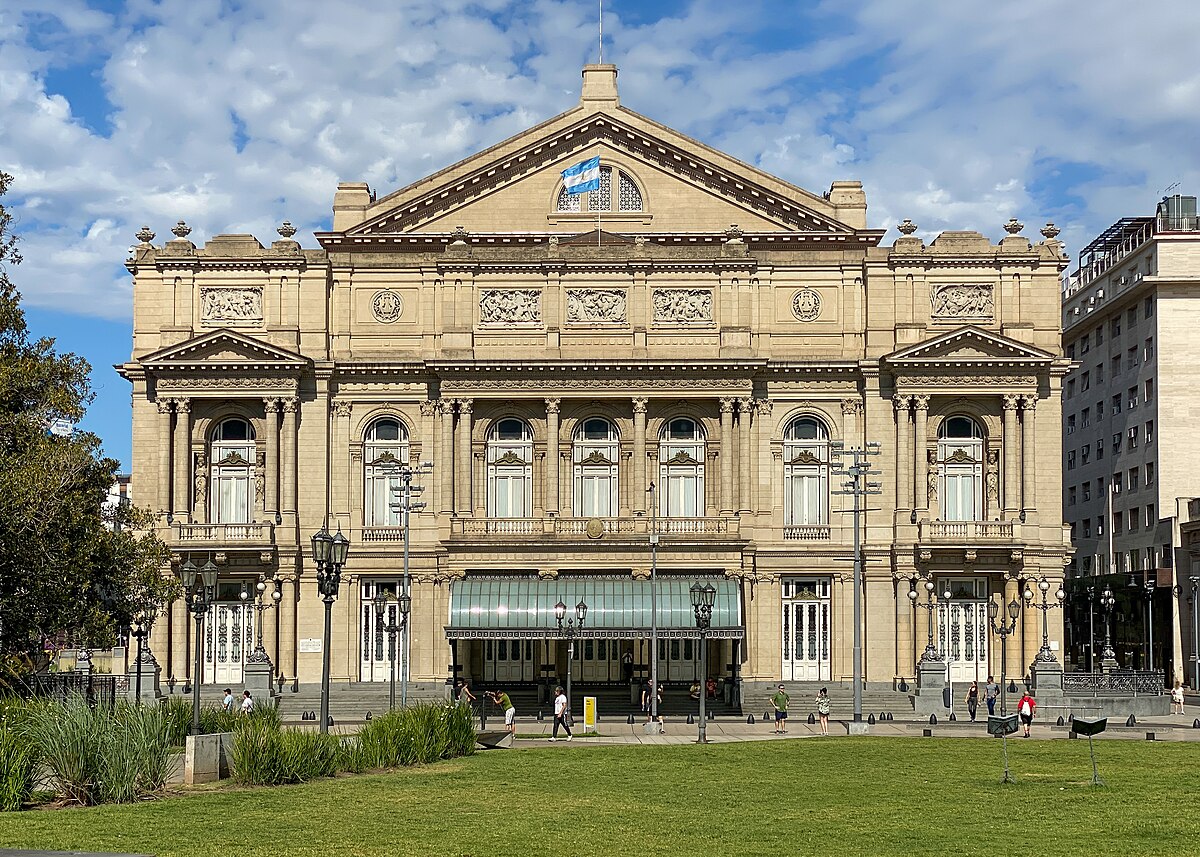
Yes, you can easily combine your visit with historic sites like Plaza Dorrego or the iconic Teatro Colón.
Historic square famous for Sunday antique markets and street tango performances.
Renowned opera house known for its exceptional acoustics and grand architecture.
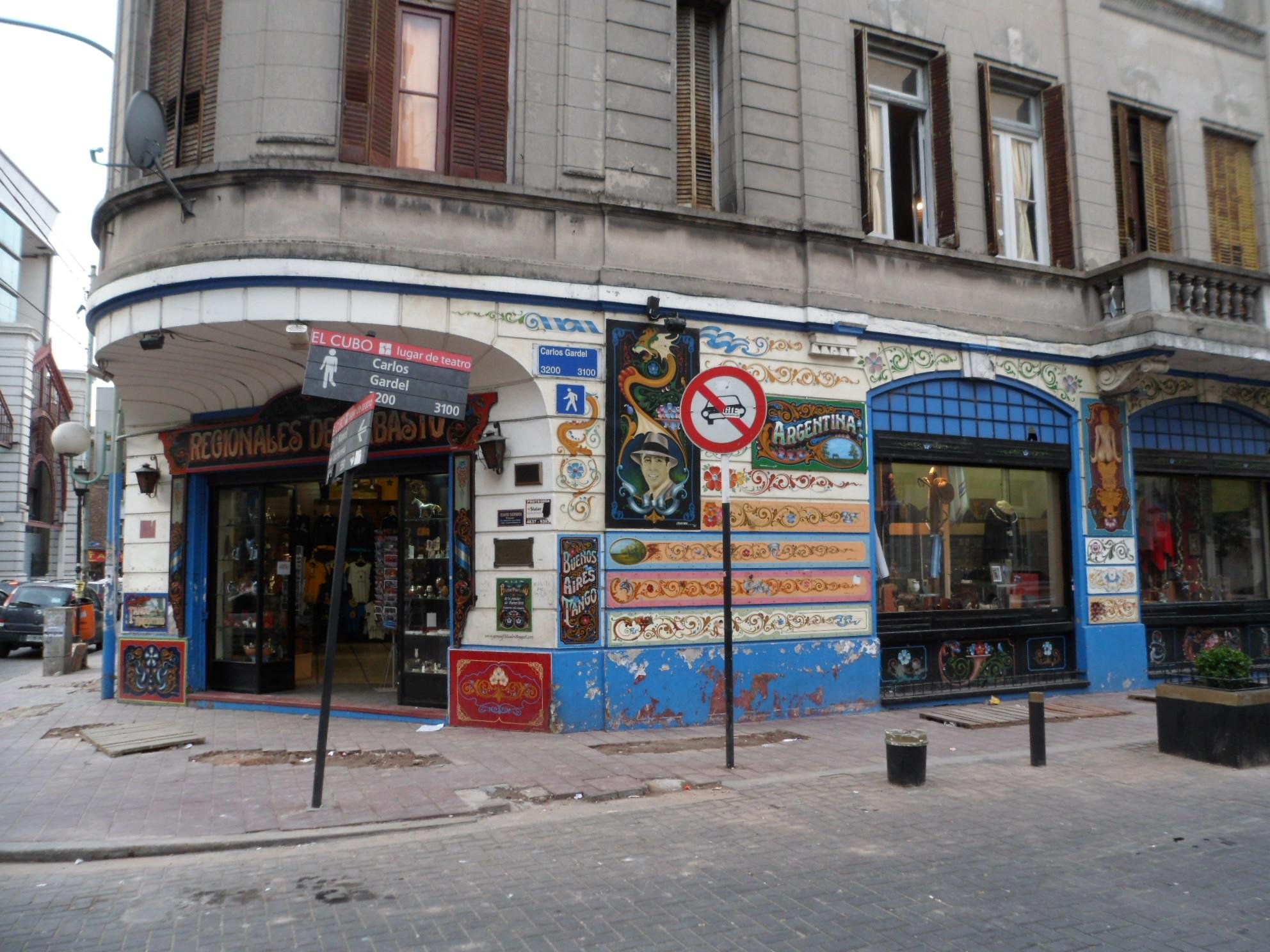
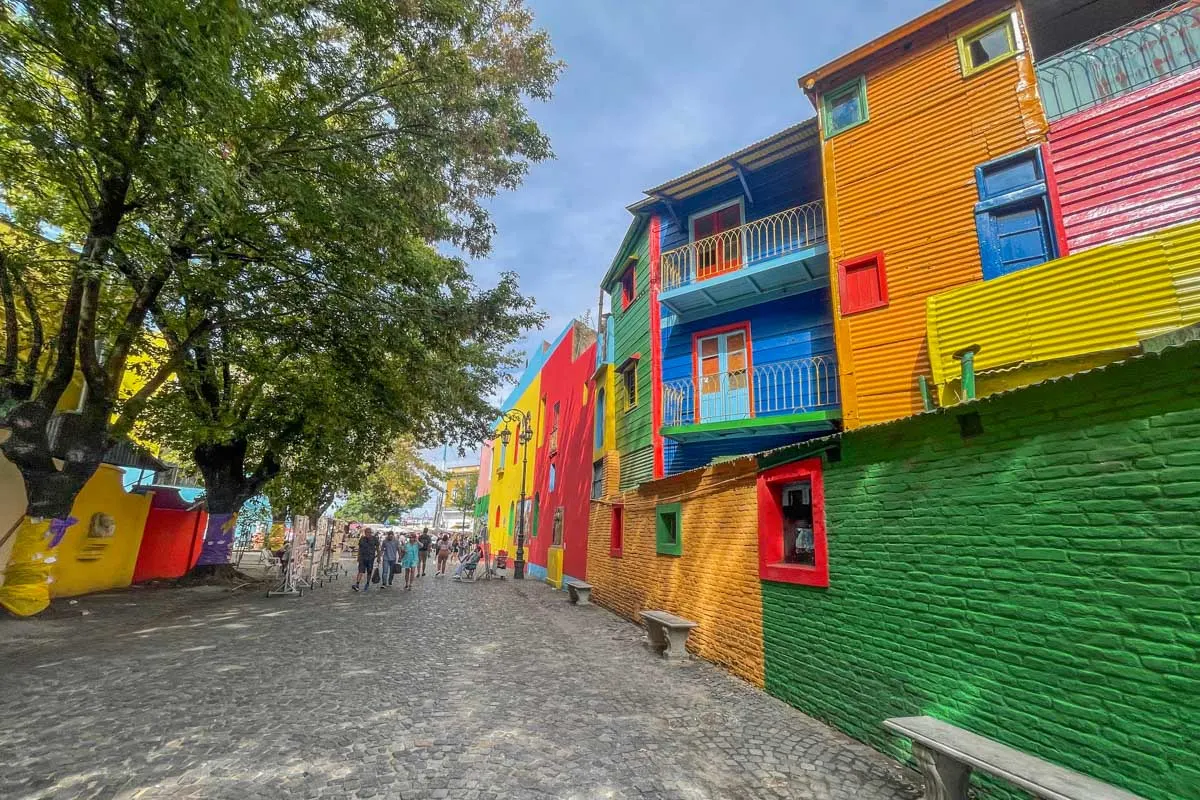
Colorful street museum in La Boca featuring vibrant buildings and history.
Vibrant neighborhood housing numerous dance venues and bars.
Historic area known for traditional tango culture and colonial architecture.
Upscale lodging located near major city transit hubs.
Reliable accommodation offering comfort and proximity to local attractions.
Intimate stay options often found in historic townhouses.
Join thousands of happy travelers who have discovered this incredible experience
Book Your Experience Now