2 hr
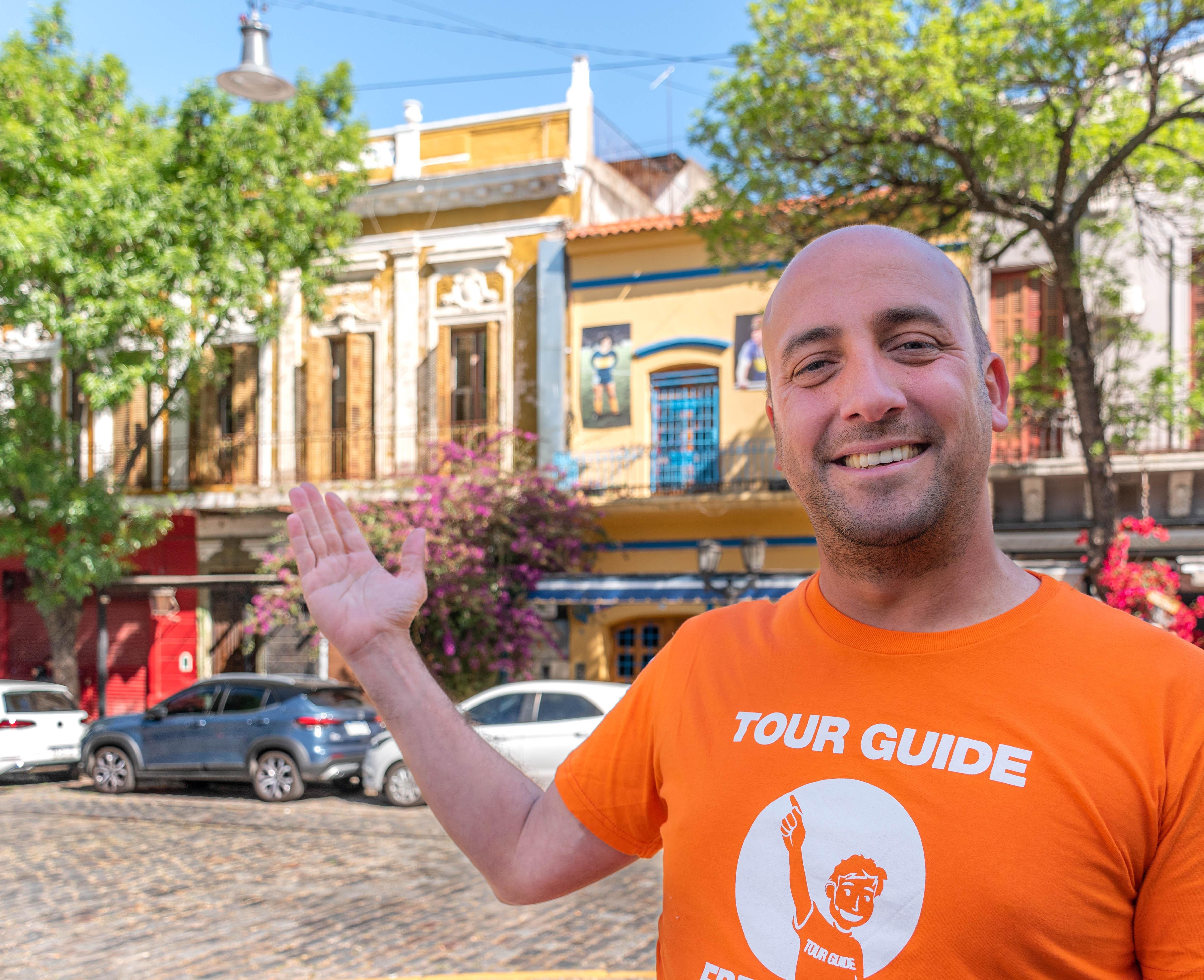
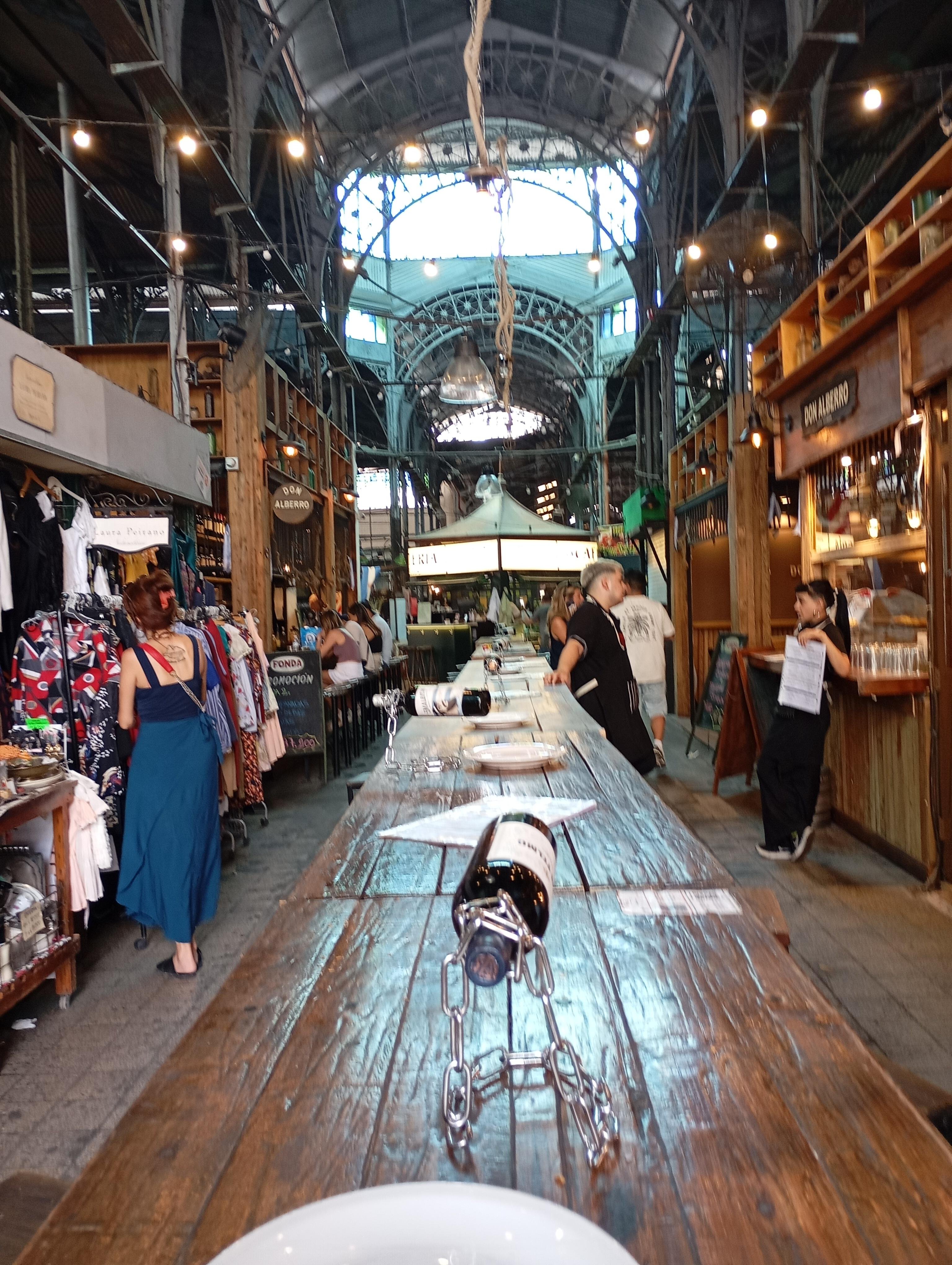
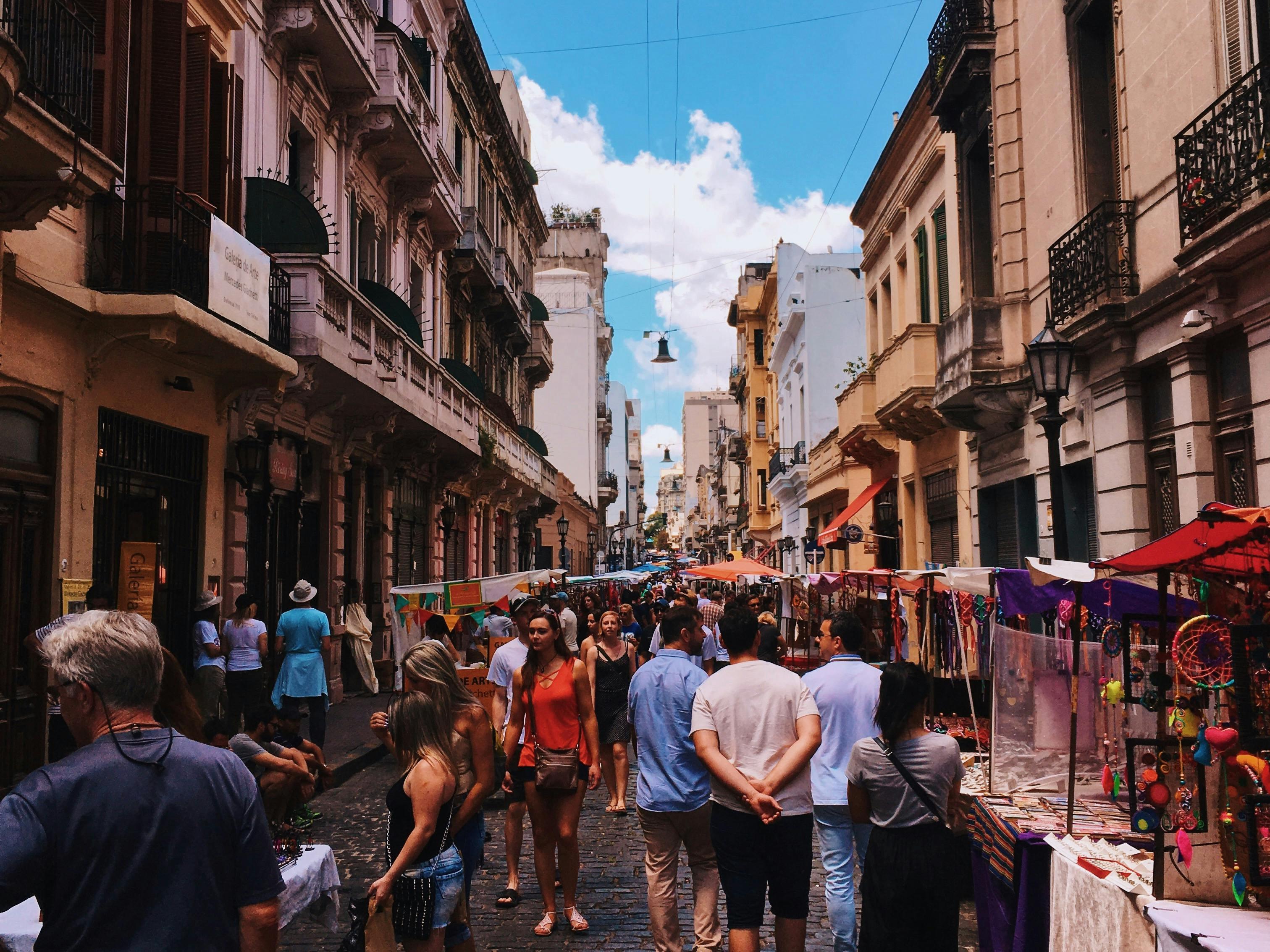
San Telmo Historic Walking Tour with Market Visit
- Expert local guide
- Small group
- Skip-the-line access
- Free cancellation
Milonga Buenos Aires San Telmo — Reserved Entry & Tango Nights
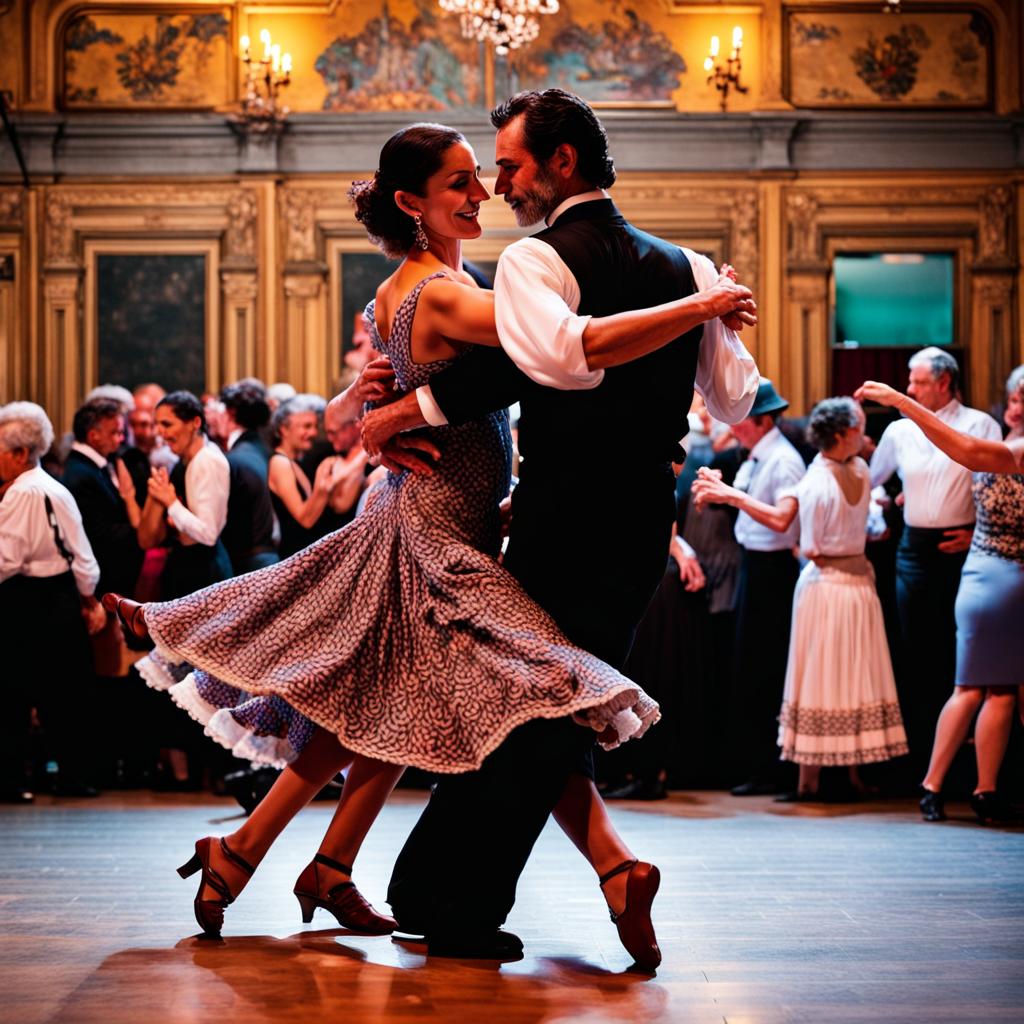
Dance where porteños gather, beneath vaulted ceilings and golden light
Compare fares, pick the fit — all bookings are mobile-voucher and eligible for free cancellation where shown.
2 hr
3 hr 30 min
4 hr
Selecting the right access for your milonga buenos aires san telmo experience ensures you enjoy the dance floor and live music in this cultural hub. Planning your visit involves choosing between standard entry or options that include dance workshops in these traditional Argentine venues.
|
Top pick General Entry At the door |
Workshop Package Includes class | |
|---|---|---|
| Entrance fee | 8 USD | 8 USD + class fee |
| Access areas | Main dance hall | Main hall and studio |
| Music type | Live orchestras | Live orchestras |
| Instruction | None | Guided class included |
| Best for | First-timers | Those seeking lessons |
| See tickets & prices |
Verdict: Most visitors opt for General Entry, while those seeking milonga buenos aires san telmo tours that include instruction should select the Workshop Package.
Worth it for authentic tango immersion
At 8 USD entry, a milonga in San Telmo delivers what commercial tango shows charge ten times more for: genuine porteño culture. Unlike the staged productions bundled with dinner at venues like Madero Tango, a neighborhood milonga buenos aires san telmo experience drops you into the real social dance floor where locals practice their craft nightly. You'll witness traditional tango códigos—the unspoken etiquette of the cabeceo invitation system—and hear live orchestras or carefully curated tanda sets that span Golden Age classics to contemporary interpretations. The low entry fee grants access to an active community rather than a passive spectacle. First-timers benefit most when they pair the milonga with one of San Telmo's heritage walks to understand the barrio's tango roots before stepping onto the dance floor. For travelers seeking cultural immersion over polished performance, the value proposition is exceptional—though you'll need basic Spanish and comfort navigating unstructured social spaces.
Bottom line: For the price of a coffee elsewhere, milonga buenos aires san telmo tickets unlock the living heart of tango culture that no stage show replicates.
They complement each other; most visitors who do both call the milonga buenos aires san telmo the more thrilling, authentic social experience compared to the polished theater show.
|
Top pick Milonga |
Tango Show | |
|---|---|---|
| Primary Activity | Participate or watch social dancing | Spectate professional performance |
| Primary Setting | Intimate historic hall or club | Theatrical cabaret or stage venue |
| Atmosphere | Casual, community-focused, authentic | Formal, polished, and staged |
| Music | Live orquestas típicas or DJ | Live choreographed musical sets |
| Audience | Locals and dedicated dancers | Tourists and theater-goers |
| Entrance Fee | 8 USD (approximate) | Varies by venue (premium pricing) |
| Best For | Immersion in local porteño culture | First-time tango night with dinner |
| See tickets & prices |
Verdict: Choose a milonga buenos aires san telmo tour if you seek a genuine window into the city's social heart, or opt for a tango show if you prefer a predictable, high-production evening of entertainment.
Hand-picked experiences loved by thousands of travelers
2 hours
Free Cancellation
Explore Buenos Aires' oldest barrio through legendary taverns, tango landmarks, and colonial treasures
3 hours
Free Cancellation
Explore Buenos Aires' colonial heart and the colorful birthplace of tango on a guided journey through history.
3 hours
Free Cancellation
Step into a real tango club, learn to dance from local experts, and explore historic San Telmo streets.
1 hour 30 minutes
Free Cancellation
Explore Argentina's most exclusive wines in an intimate San Telmo setting with regional cheese pairings
4 hours
Free Cancellation
Step into Buenos Aires' tango scene with a museum visit, historic café stop, and authentic dance lesson
3 hours
Free Cancellation
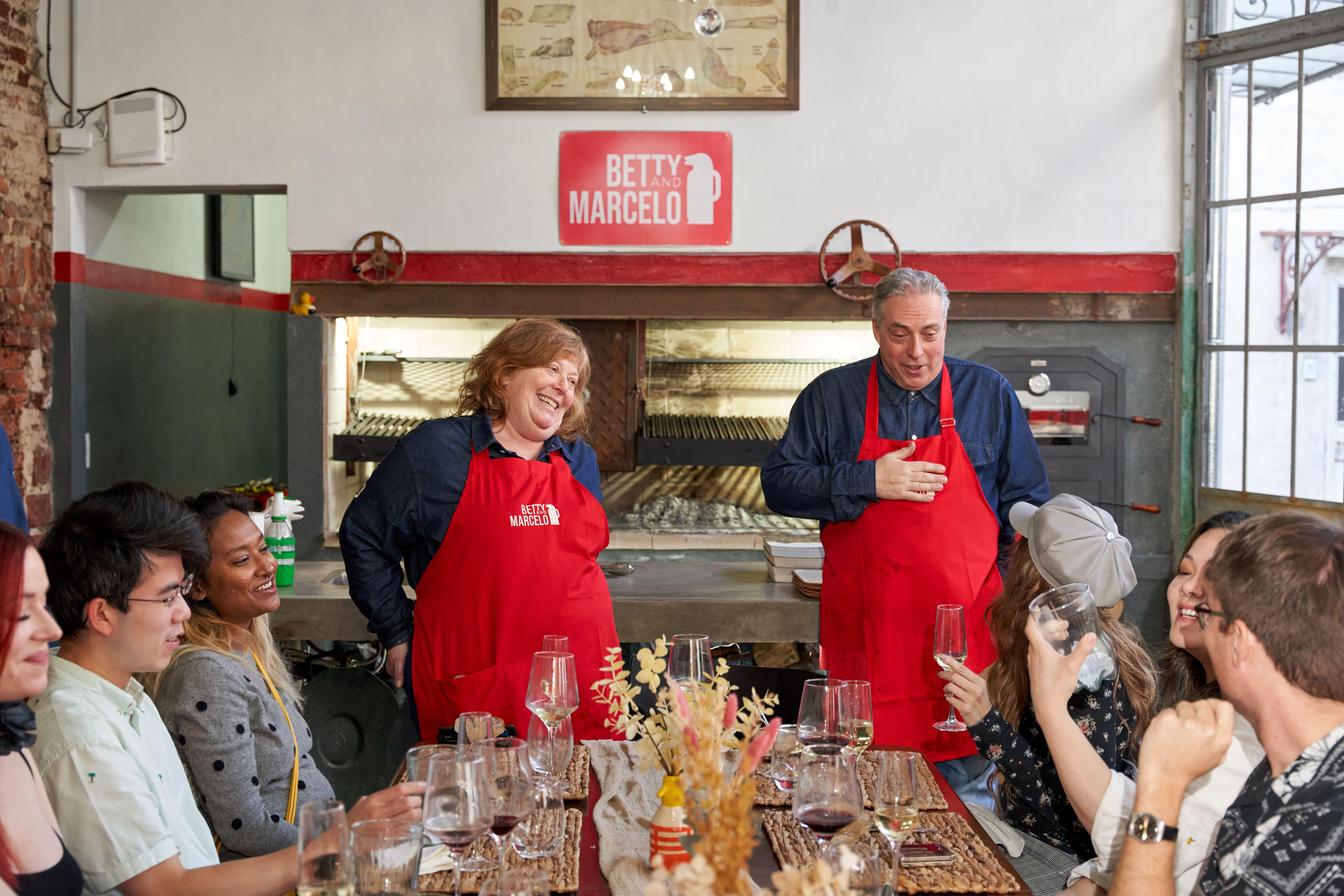
Cook grass-fed cuts over open flame with a local family in Palermo's cozy dining room
4 - 4.5 hours
Free Cancellation
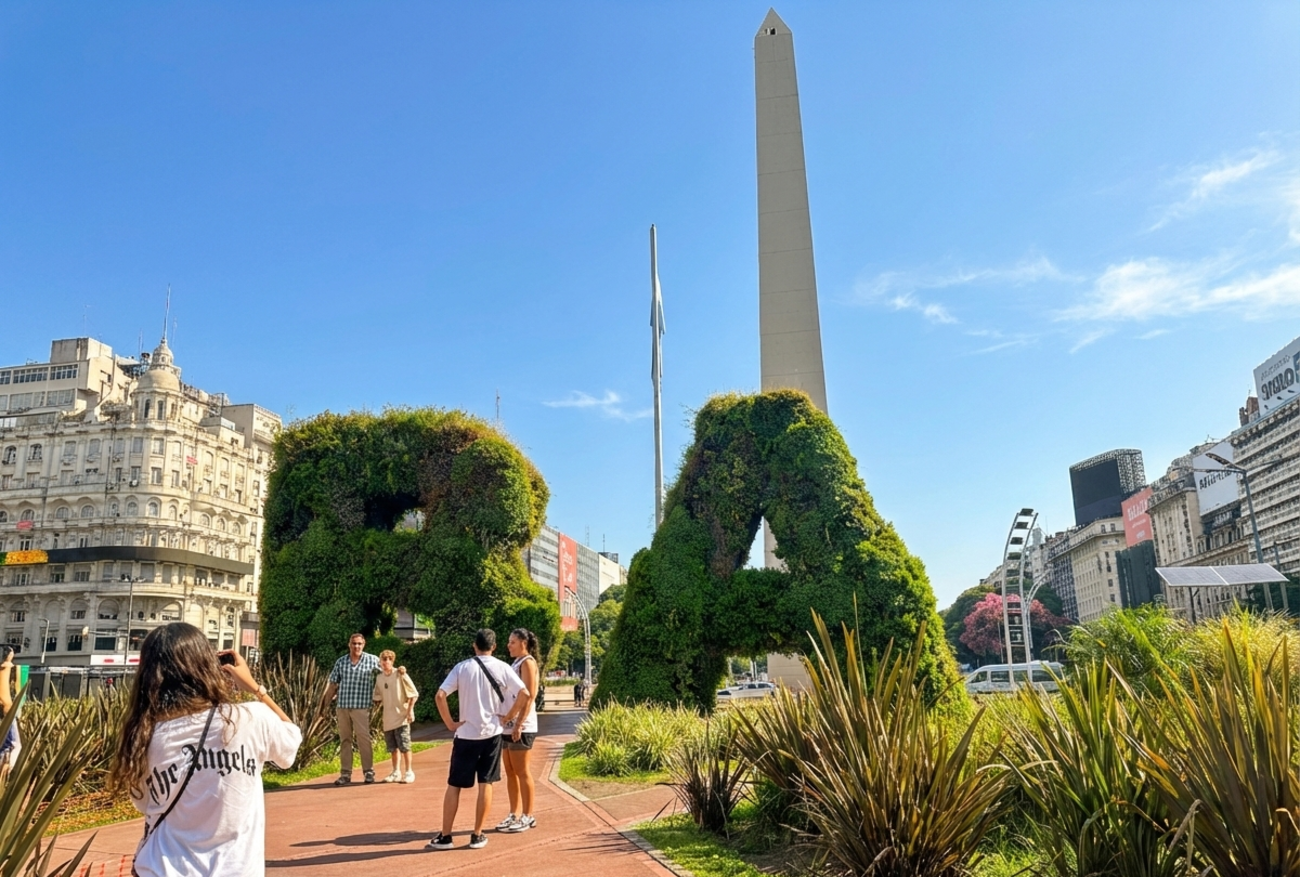
Explore Argentina's capital through historic plazas, colorful neighborhoods, and elegant boulevards
2 hours 30 minutes
Free Cancellation
Explore Buenos Aires' bohemian heart on a captivating walk through centuries of history, culture, and charm.
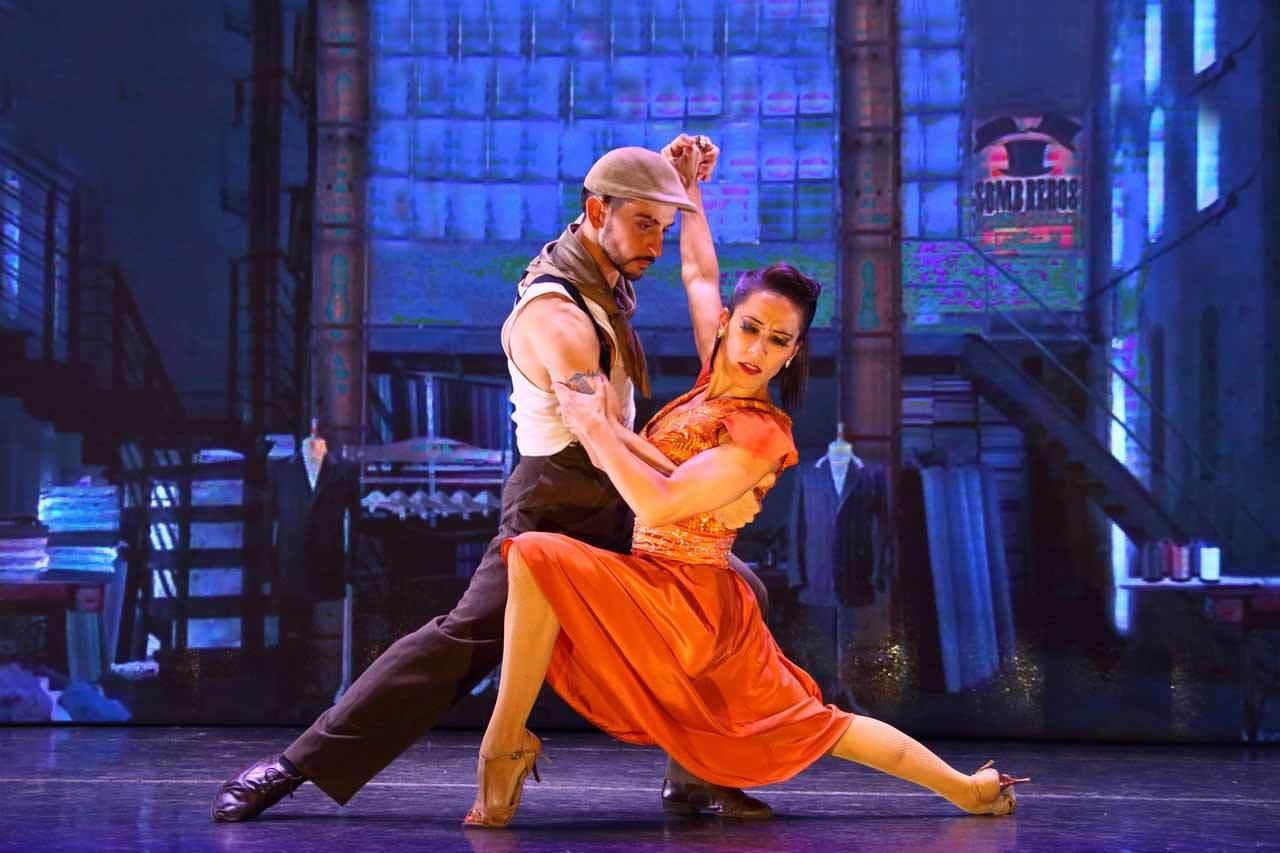
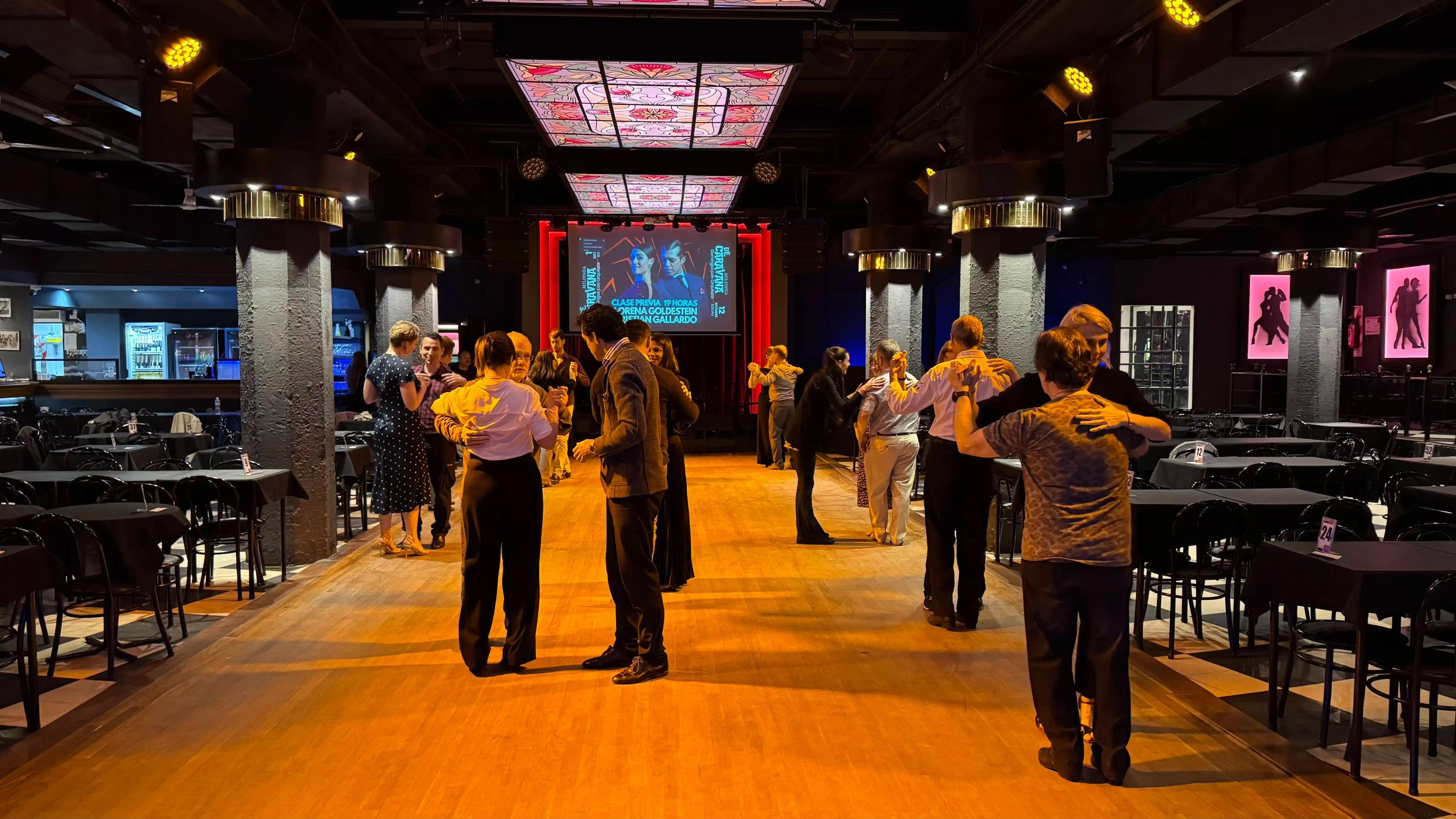
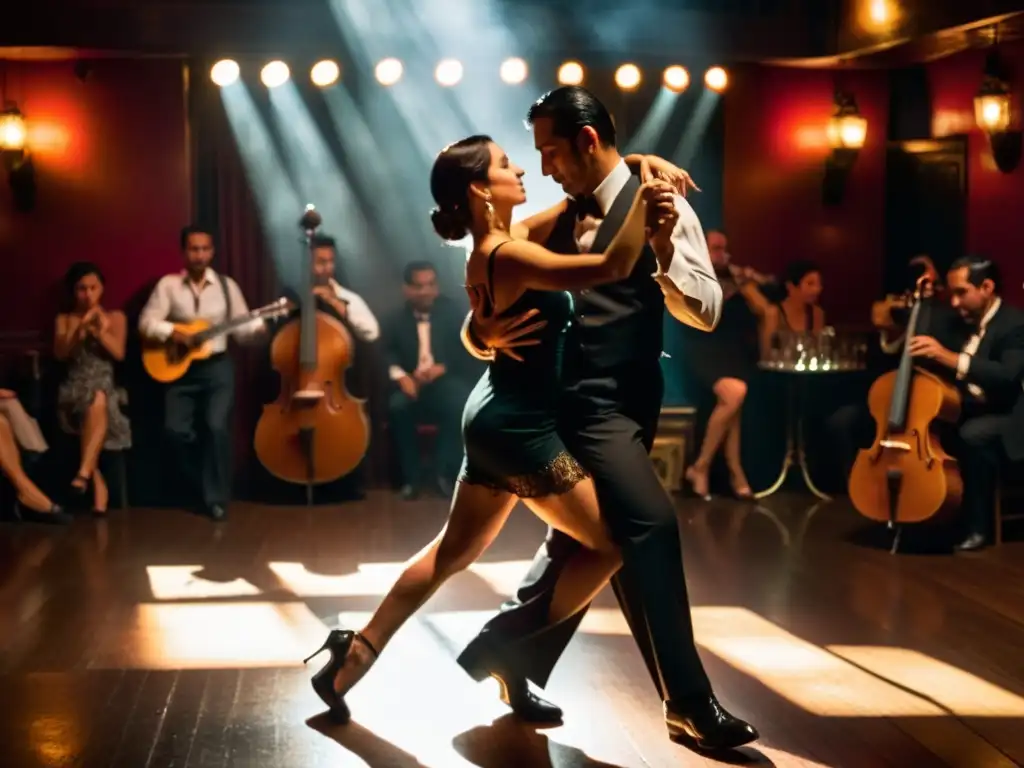
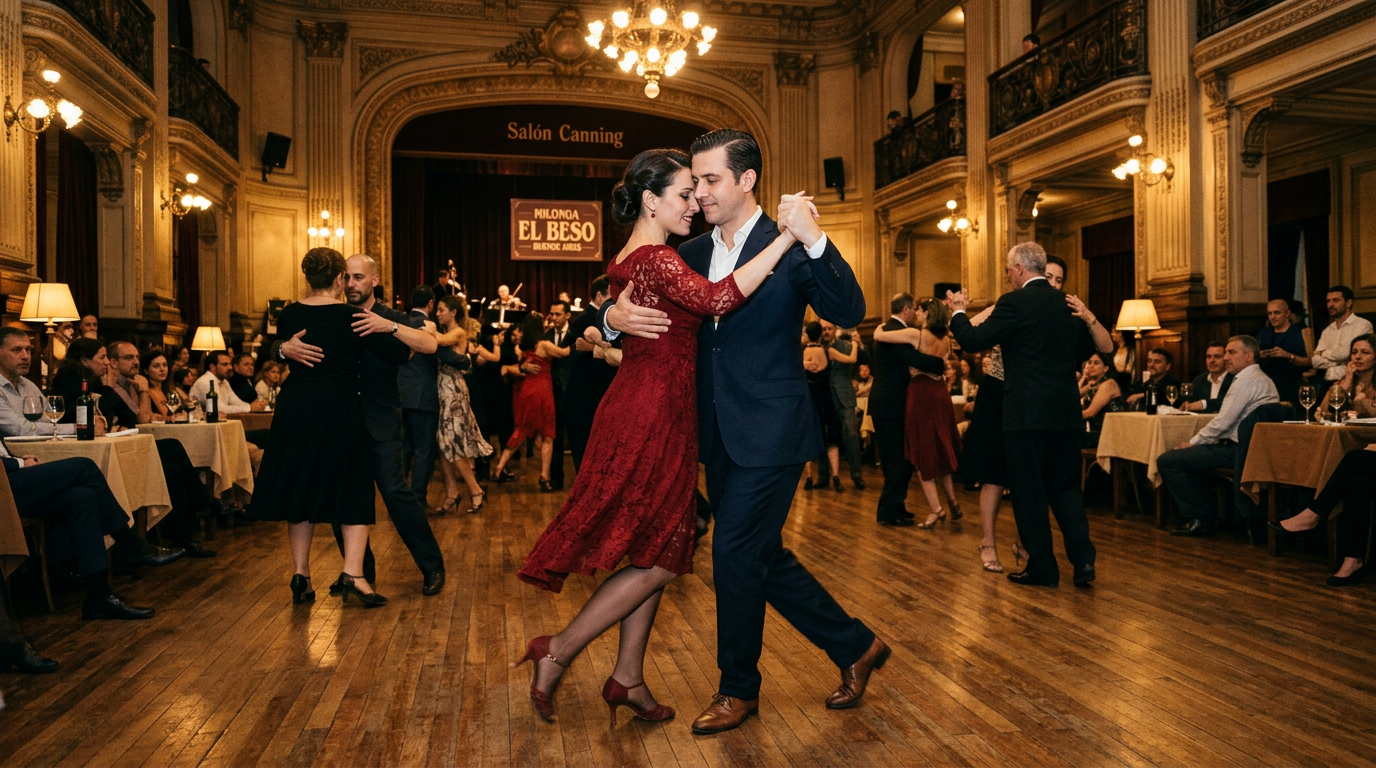
You arrive in San Telmo at 21:00 and follow the sound of a bandoneon through a wooden door marked only by a small brass plaque. Inside, forty dancers are already changing shoes along the perimeter of a parquet floor lit by three amber chandeliers.
The instructor calls the first sequence in Spanish—ocho adelante, parada, gancho—and you join a line of followers practicing the pattern while leaders mirror the movement across the room.
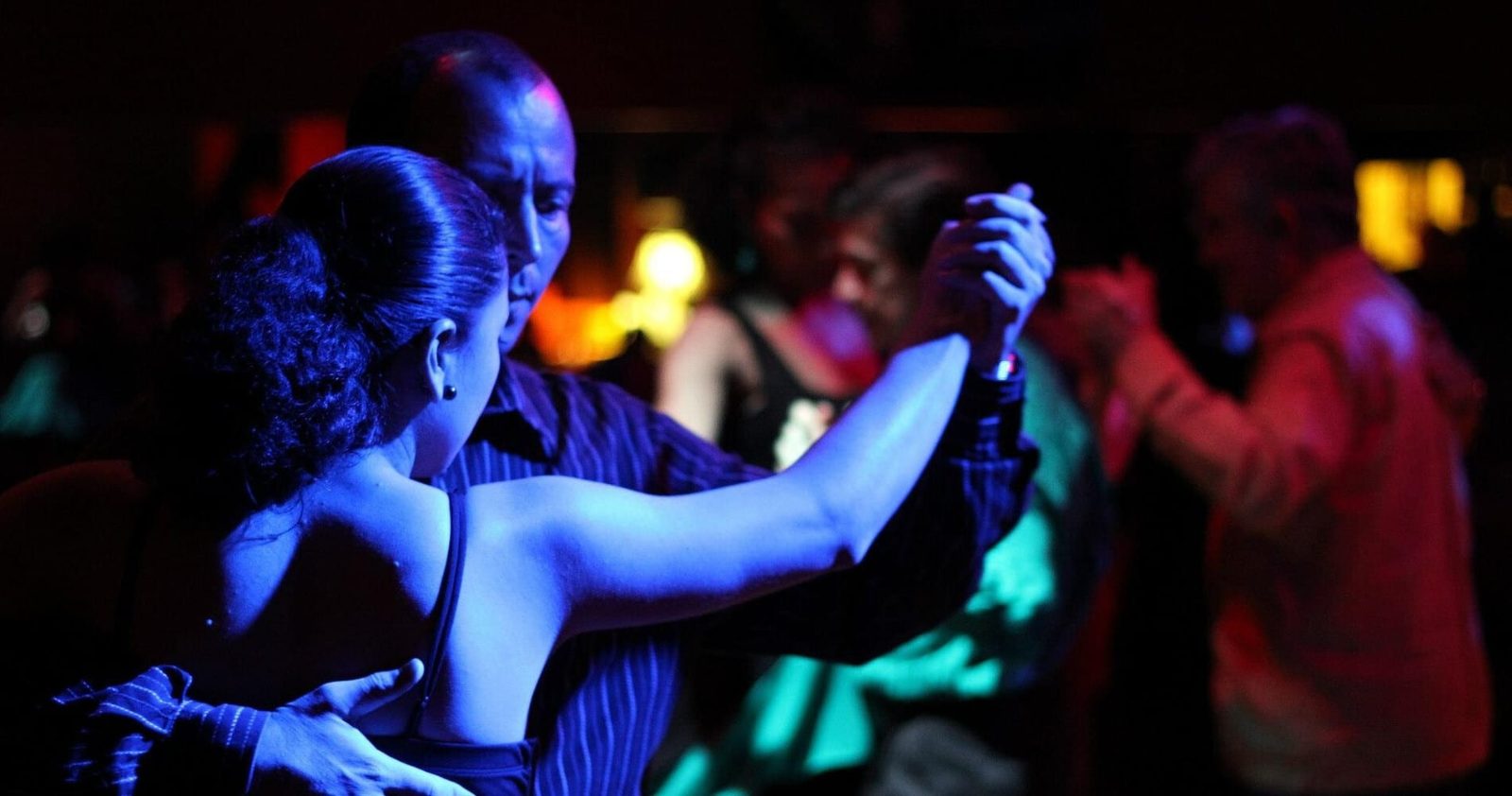
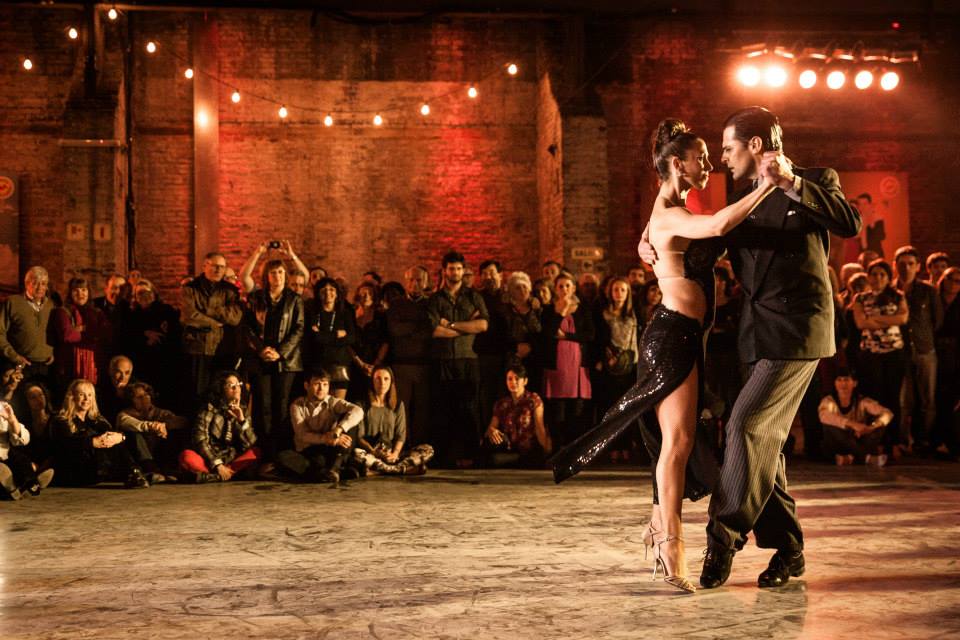
By 22:30 the lesson ends and couples begin claiming small tables around the floor's edge. You watch the cabeceo in action: a woman three tables away catches a man's eye, nods almost imperceptibly, and he crosses the floor to collect her. The DJ plays a Troilo tanda—four songs from 1943—and fifteen couples fill the floor in a tight counterclockwise rotation. Between tandas, a cortina plays: non-tango music that signals the moment to return your partner and seek the next dance.
At 23:15 the live orquesta takes the low stage. Two bandoneons, two violins, a piano, a double bass, and a singer in a gray suit. The first notes pull another wave of dancers onto the floor, and you step into the ronda, feeling the floor's slight give beneath your feet and the heat rising as bodies circle through the same worn paths that porteño dancers traced decades before you.
All the details about your upcoming adventure in one place
San Telmo's milongas operate in renovated conventillos and colonial salons that once housed Italian and Spanish immigrants in the early twentieth century.
The neighborhood became Buenos Aires' tango heartland not through municipal design but through economic necessity: when yellow fever drove the wealthy north in 1871, working-class families moved into subdivided mansions and danced in their shared courtyards. By the 1920s, San Telmo held more than forty dance academies within a twelve-block radius.
Today's milonga circuit in San Telmo preserves the codes established during tango's golden age between 1935 and 1955. Dancers still navigate the floor in a counterclockwise ronda, and the cabeceo—a subtle nod to invite a partner—remains the preferred invitation method in traditional venues. Most San Telmo milongas open at 21:00 with a lesson, then transition to social dancing around 23:00 when the live orquesta típica takes the stage. The format mirrors the structure that emerged in the 1940s when working porteños needed time to travel from factories before the music began.
The architecture shapes the experience as much as the choreography. High ceilings with pressed tin, parquet floors worn smooth by generations of pivots, and dim amber lighting from vintage fixtures create acoustics and atmosphere that modern construction cannot replicate. Several venues occupy the same addresses where Carlos Gardel performed in the 1920s, and the floorboards still carry the patina of a century's use. Orchestras in San Telmo milongas often include musicians who learned from the students of Aníbal Troilo and Osvaldo Pugliese, maintaining a direct lineage to the genre's masters.
Milonga Buenos Aires San Telmo operates on a Wednesday, Thursday, and Sunday schedule, allowing dancers to rotate between venues across the week. Entry typically costs around eight dollars, a price point that keeps the floors accessible to both neighborhood regulars and visiting dancers. The absence of a Friday or Saturday night slot reflects an unwritten rule among traditional milongas: those evenings are reserved for the larger, more tourist-focused tango shows, leaving midweek nights for the social dancers who form the culture's living core.
The floorboards still carry the patina of a century's use, worn smooth by generations of pivots.
Smart-casual attire is recommended, though many locals opt for elegant evening wear. Ensure you wear comfortable shoes suitable for dancing on wood or tile floors.
Keep belongings close at all times in the crowded dance hall. Small bags are permitted, but large items should be left at your accommodation.
Photography is permitted from the sidelines, but avoid using flash during the tandas as it distracts the dancers. Always respect the privacy of local participants by asking before filming.
The environment is primarily adult-oriented and social; it is not typically suitable for young children. Teens interested in dance may attend with adult supervision.
Many historic venues in the district feature older architecture with limited elevator access. Please inquire in advance if you require step-free entry to the milonga buenos aires san telmo.
Most venues offer a bar service with wine and light snacks. External food and drink are generally prohibited inside the milonga buenos aires san telmo.
Opening Hours
21:00–02:00
Address
San Telmo, Buenos Aires, Argentina
Entry
8 USD per person
Arrival
21:00–23:00
Navigation
San Telmo District
Full refunds are available for cancellations made at least 24 hours in advance. Late cancellations or no-shows forfeit the 8 USD entrance fee.
Recommended time
3-5 hours
For a authentic milonga buenos aires san telmo experience, arrive during the 21:00–23:00 window to participate in initial tango lessons. The atmosphere intensifies as social dancing peaks and live orchestras perform later in the evening, making milonga buenos aires san telmo tours ideal for those wishing to immerse themselves in the dance floor culture. Securing milonga buenos aires san telmo tickets in advance allows you to enjoy the full cadence of the night without delay. Consider extending your visit if you plan to observe the complex embrace and rhythmic footwork of the local dancers.
Crowd levels through the day
San Telmo's milonga culture emerged in the 1870s when European immigrants—primarily Italian and Spanish—settled in the neighborhood's conventillos, crowded tenement houses surrounding shared patios. These patios became the first dance floors where candombe rhythms from Buenos Aires's Afro-Argentine community blended with European contradanza and habanera. By 1880, the milonga had crystallized as a distinct musical form, faster and more syncopated than the tango that would soon eclipse it. The word itself came from Kimbundu, carried by enslaved Africans, meaning a gathering or celebration. The golden age arrived between 1935 and 1955 when orchestras led by Juan D'Arienzo and Francisco Canaro packed San Telmo's dance halls nightly. Milonga became the warm-up and the closer for tango nights, its three-three-two rhythm marking the transition between slower tandas. But the 1955 coup and subsequent military governments deemed public gatherings subversive. Dance halls shuttered. By 1976, the tradition survived only in private homes and a handful of defiant venues. Milonga buenos aires san telmo nearly vanished as a living practice during the dictatorship's darkest years. Revival began in 1983 with democratization. Older dancers returned to Plaza Dorrego on Sunday afternoons, teaching beneath the market canopies. By 1990, milonga tours brought international visitors to San Telmo's basement salons, where locals still danced the traditional close-embrace style. Today the neighborhood hosts weekly milongas at venues like La Catedral and El Federal, preserving the three-three-two rhythm, the cabeceo nod system, and the ronda's counterclockwise flow. The milonga buenos aires san telmo tradition remains distinct from modern tango—faster, flirtier, rooted in the working-class patios where it began.
European immigrants bring contradanza and habanera to San Telmo's tenement patios, blending with Afro-Argentine candombe rhythms.
The milonga emerges as a distinct musical and dance form, characterized by its syncopated three-three-two rhythm.
Golden age orchestras led by D'Arienzo and Canaro fill San Telmo dance halls nightly with milonga music.
Military dictatorship forces most public milongas underground; the tradition survives in private gatherings.
Democratization brings dancers back to Plaza Dorrego, reviving open-air Sunday milongas.
International milonga tours establish San Telmo as the center of traditional Buenos Aires dance culture.
Weekly milongas at La Catedral and historic cafés preserve close-embrace style and cabeceo etiquette.
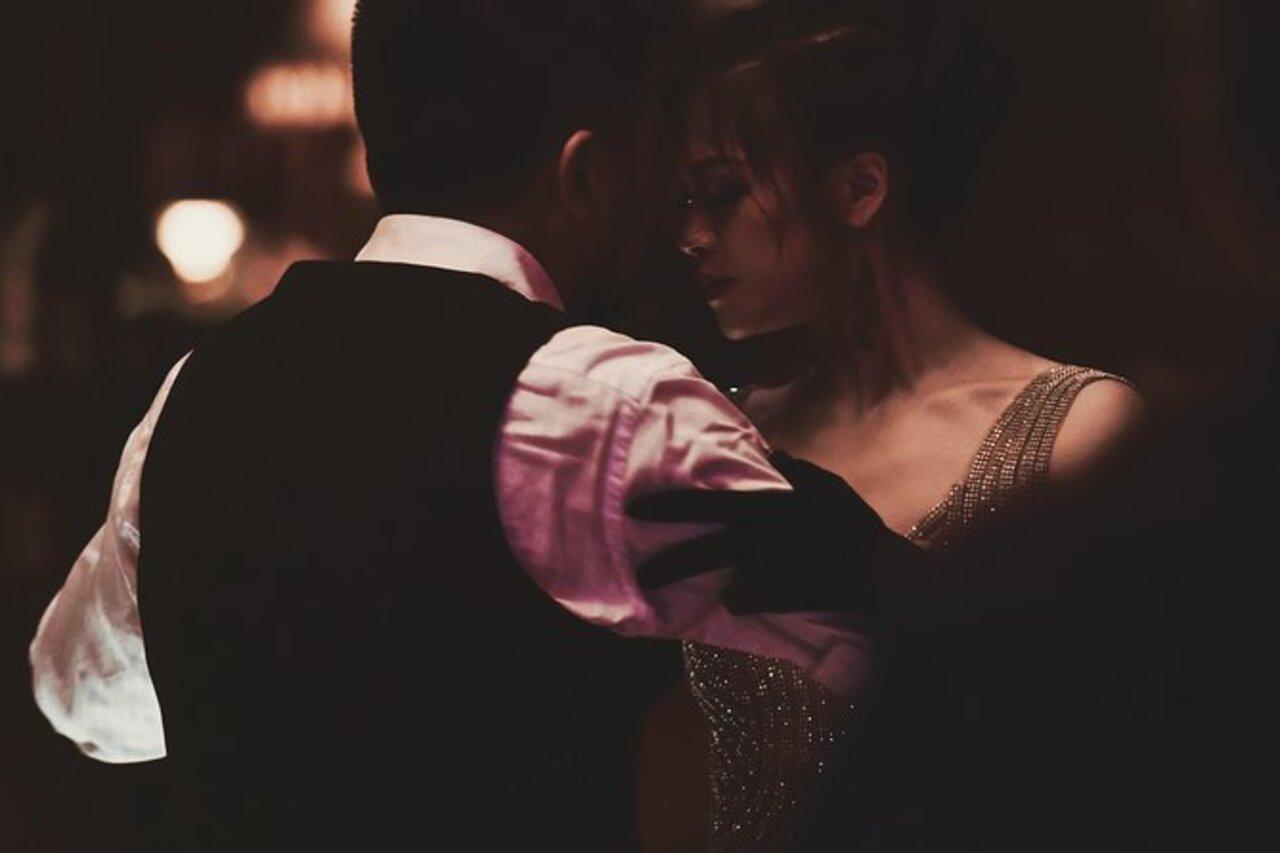
Stand near the perimeter of the wooden floor to capture the motion of dancers as they perform their embrace. This position offers a clear view of the traditional tango posture without obstructing the movement of participants in a milonga buenos aires san telmo setting.
Exploring a milonga buenos aires san telmo allows families to experience the cultural heart of tango, though the late-night atmosphere requires careful planning. Whether you are looking into milonga buenos aires san telmo tours or simply observing, the rhythmic music and authentic dance floor create a unique setting.
Space is often limited inside traditional venues, so a compact stroller is recommended for maneuvering through the crowd. You may prefer a carrier if your child is young enough to sleep while you enjoy the live tango music.
This environment is best suited for older children or teens who can appreciate the late-night social dance and live orchestras. Younger children may find the dark, loud setting and 21:00–02:00 operating hours challenging for their sleep schedule.
Most traditional halls in this historic district lack dedicated baby-change stations or specific family amenities. Plan to manage personal needs before arriving at the venue since these authentic spaces remain focused on the dance tradition.
The best arrival window is 21:00–23:00, allowing you to catch the start of classes and early dance sets without staying until the 02:00 closing time. Booking your milonga buenos aires san telmo tickets in advance helps streamline your entry at the door for 8 USD per person.
Venues often serve light drinks or snacks, but full meals are typically not available. Consider dining at a nearby restaurant in San Telmo, Buenos Aires, Argentina before heading to the dance hall to ensure everyone is fed.
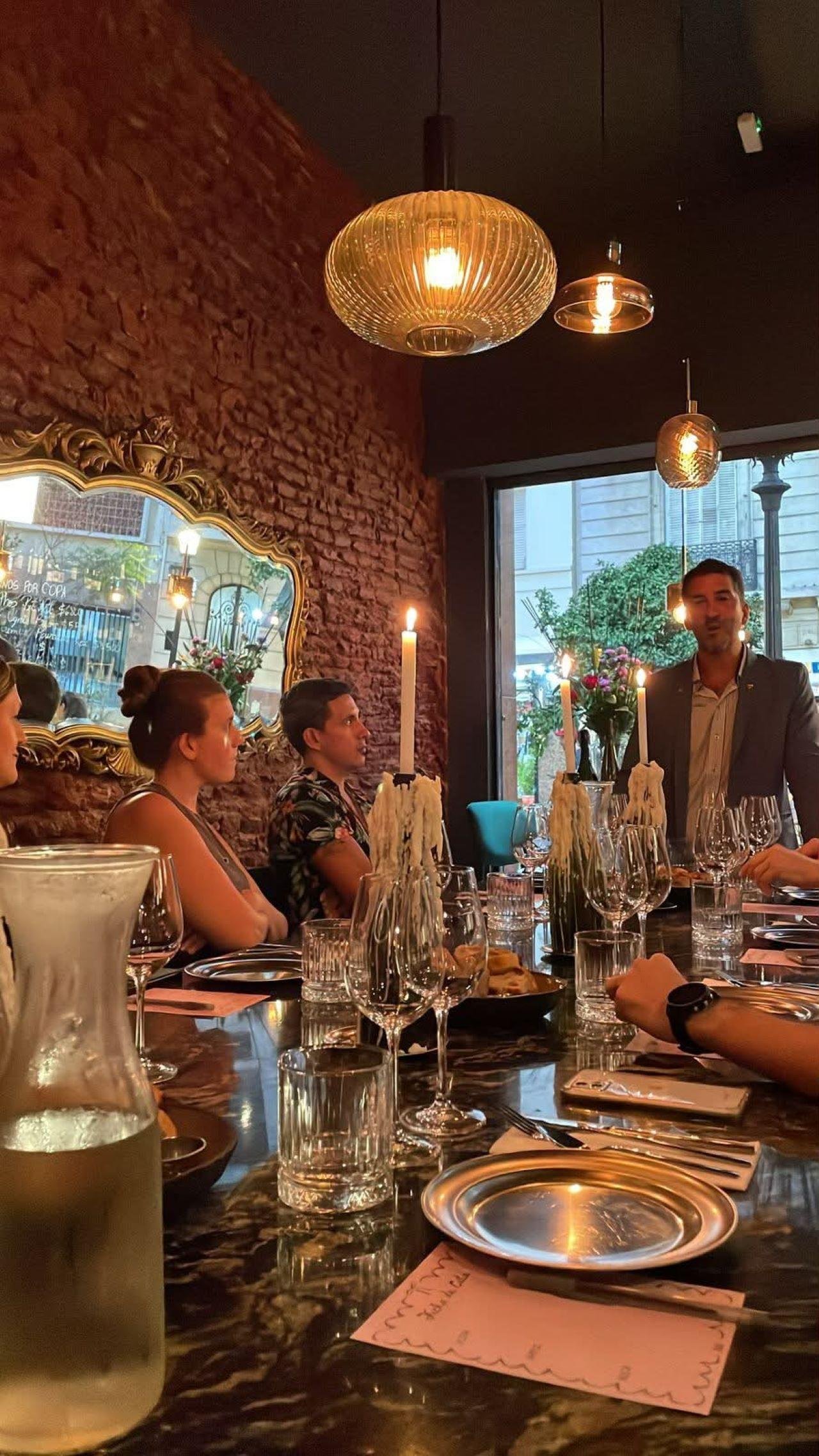
Finding a meal near a milonga buenos aires san telmo venue requires planning for late-night service common in this neighborhood. Many visitors join milonga buenos aires san telmo tours to discover authentic spots serving empanadas and wine before heading to the dance floor.
This classic parrilla offers hearty portions of grilled meat perfect for fueling up before your milonga buenos aires san telmo tour. It remains busy late into the evening, making it a reliable choice for dancers.
Located in a historic corner building, this spot is ideal for securing milonga buenos aires san telmo tickets while enjoying a sandwich or coffee. The atmosphere is quintessential San Telmo, providing a calm space before the music starts.
Famous for its tender bife de chorizo, this restaurant is a popular choice for those looking for a sit-down meal. It is well-suited for groups planning their evening around the dance floor.
Everything you need to know for your journey
The venue is open Wednesday, Thursday, and Sunday from 21:00–02:00.
The entrance fee is 8 USD per person.
The best arrival window is 21:00–23:00 to catch classes and the orchestra.
Yes, classes usually begin at 21:00 at the milonga buenos aires san telmo.
Wear comfortable, smart-casual clothing and appropriate footwear for dancing.
It is recommended to check status before arrival, as every milonga buenos aires san telmo venue follows its own schedule.
The venue is an adult social space; it is not recommended for small children.
Flash photography is prohibited, but discreet photos from the sidelines are generally acceptable.
Accessibility varies by historic building; contact the venue regarding your milonga buenos aires san telmo visit.
Present your digital or printed milonga buenos aires san telmo tickets at the door upon arrival.
Join thousands of happy travelers who have discovered this incredible experience
Book Your Experience Now